
Choosing the 2026 best hotel headboard wall lamps requires more than attractive photographs. Global buyers need verified performance, adaptable design, and dependable supplier information. A lamp may look elegant beside a walnut headboard, yet create glare across a guest’s pillow. Another may offer warm light, but lack suitable voltage options for international projects. These practical differences shape guest comfort, installation costs, and long-term maintenance.
Richard Kelly, a pioneering architectural lighting designer, stated, “Light is the key to all visual experience.” His principle remains highly relevant to hotel headboard wall lamps. The right fixture should guide reading, support relaxation, and enhance the room without dominating it. This overview examines light distribution, color temperature, dimming, material quality, energy efficiency, and certification considerations. It also considers real hotel conditions, including frequent cleaning, compact bedside spaces, and guests using controls at night.
The selection process is not perfectly objective. Hotel categories, local standards, and design preferences vary widely. A brass reading lamp may suit a luxury suite, while a simple fabric-shaded fixture may work better in a budget property. Some product specifications also appear incomplete or difficult to compare. That weakness deserves attention. Reliable recommendations should identify uncertainty instead of hiding it. For purchasing teams, architects, and hospitality developers, the following guide offers a clear framework for comparing hotel headboard wall lamps across global markets, project sizes, and operating requirements.
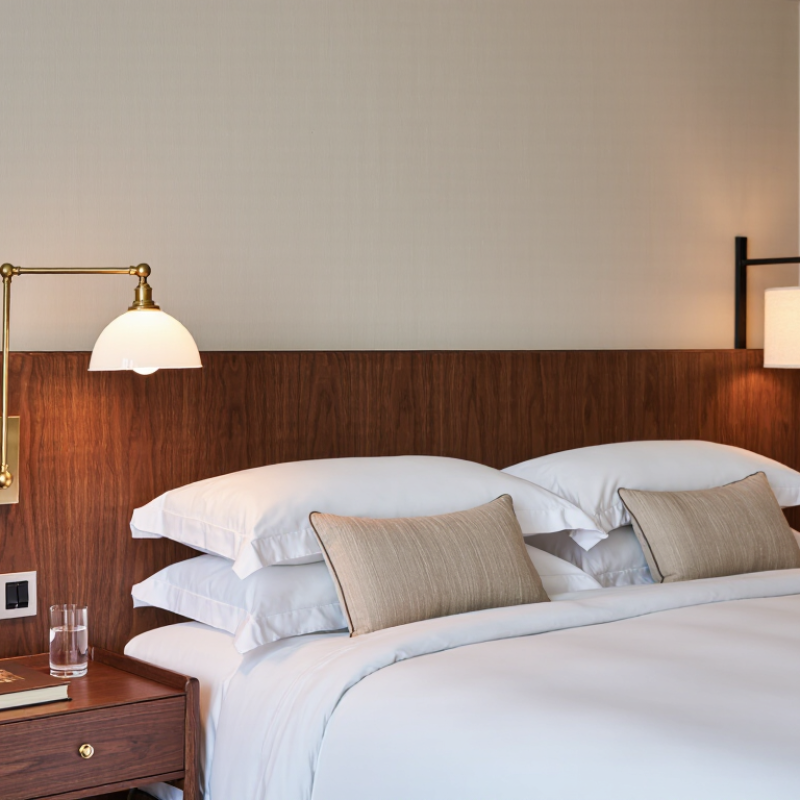
2026 Best Hotel Headboard Wall Lamps for Global Buyers
What Hotel Headboard Wall Lamps Are and Why They Matter
Hotel headboard wall lamps are fixed lighting fixtures installed beside or above a bed. They provide focused light for reading, relaxing, or finding personal items at night. Unlike ceiling lights, they reduce glare and create a calmer sleeping environment. A suitable fixture usually combines a compact body, an accessible switch, and controlled light distribution.
In hotel fit-outs, I have found that small details affect guest comfort. A lamp placed 45 to 60 centimeters above the mattress can support comfortable reading. Warm light around 2700K to 3000K often feels more welcoming. Adjustable shades help guests direct light without disturbing a sleeping partner. Some designs include USB charging, but extra functions can increase maintenance risks.
Headboard lamps also influence safety and operating costs. Secure mounting prevents movement when guests adjust the fixture. Smooth surfaces simplify cleaning, while durable finishes resist frequent contact and disinfecting. Global buyers should verify voltage, wiring methods, dimming compatibility, and required safety certifications for each destination. Local installation rules still matter.
A beautiful lamp can fail in real rooms. I once saw an attractive fixture with a switch hidden behind thick bedding. Guests struggled to use it. Another design created shadows across the book because its arm was too short. These examples show why mock-up testing matters before bulk purchasing. Comfort, serviceability, and reliable installation should guide the final choice.
Hotel headboard wall lamps should support the room’s design, not compete with it. In contemporary rooms, slim adjustable sconces offer focused reading light beside each pillow. Their swiveling arms help guests read without lighting the entire room. Recessed fixtures create a cleaner appearance, especially with floating headboards and smooth wall panels. Integrated LED strips can add a soft halo behind upholstered boards.
Keep the glow subtle. Excessive brightness quickly feels commercial.
Classic hotel rooms often suit shaded wall lamps with warm, diffused light. They soften wood, fabric, and brass-colored details. Boutique rooms may use sculptural fixtures as visual accents, but their shades should still control glare. For family rooms, flexible dual-light fittings can provide separate reading zones. Accessible layouts need reachable switches and clear controls. Motion-sensitive night lighting may improve safety, though some guests find unexpected activation uncomfortable.
Technical details affect long-term performance. A color temperature near 2700–3000K usually supports a restful atmosphere. High color rendering helps fabrics and artwork appear natural. Choose durable metal, heat-resistant components, and replaceable drivers where possible. Easy-clean surfaces matter in busy hospitality settings. Wall boxes, cable routes, and maintenance access should be planned before installation. I have seen attractive lamps fail because their switches were hidden behind thick pillows. Small details matter. No layout is perfect; guest feedback may reveal glare, shadows, or inconvenient controls that drawings miss.
2026 Best Hotel Headboard Wall Lamps for Global Buyers
How to Choose Lighting for Comfort, Safety, and Compliance
A hotel headboard lamp must support reading without creating glare across the pillow. In practice, adjustable arms and shielded LED sources work better than exposed points of light. A 2700K–3000K color temperature usually feels calm at night, but warmer is not automatically better. Excessively dim light can strain older guests’ eyes. The Illuminating Engineering Society recommends evaluating illuminance, glare, color quality, and visual comfort together, not separately.
Energy use also deserves attention. The International Energy Agency’s 2022 lighting analysis estimates that lighting consumes nearly 15% of global electricity. The U.S. Department of Energy reports that LED products use at least 75% less energy and last up to 25 times longer than incandescent lamps. For hotel buyers, replaceable components, stable drivers, and documented lifetime ratings matter more than attractive packaging. Marketing claims can be incomplete.
Safety requires evidence. Select luminaires tested against IEC 60598-1 and the relevant fixed-luminaire requirements in IEC 60598-2-1. Request photobiological safety information under IEC 62471, especially for bedside products used at close range. Confirm voltage, frequency, earthing, plug design, emergency requirements, and local certification before shipment. IP protection should match the installation environment, not guesswork. My checklist is still imperfect. Site conditions often expose details missed during factory review. Use accredited laboratory reports, installation instructions, and clear maintenance access. A secure switch location helps guests avoid reaching across the bed in darkness.
Hotel headboard wall lamps face frequent use, luggage contact, and nightly cleaning. Their materials should suit that workload. Powder-coated steel and aluminum resist everyday knocks and are relatively easy to wipe. Brass can add warmth, but its finish may show fingerprints or change over time. Glass diffusers soften glare, though they need careful handling during cleaning. Check that finishes tolerate the hotel’s approved cleaning products; harsh chemicals can dull coatings. Small details matter.
Installation depends on the wall structure, wiring layout, and bed position. On solid walls, use fixings rated for the lamp’s weight. For hollow walls, select suitable anchors or connect to structural support. A qualified electrician should verify the supply, isolation, and local installation requirements before work begins. Mount lamps where guests can reach switches without leaning across the bed, and test glare from a seated position. It is easy to miss that detail on a floor plan.
For maintenance, provide clear access to fasteners and replaceable light sources where practical. Staff can dust shades with a soft, dry cloth and inspect loose fittings during room checks. Never clean a hot fixture. Record recurring issues, such as wobbling arms or discolored finishes, and adjust the specification if needed. One sample room can reveal problems that drawings cannot.
2026 Best Hotel Headboard Wall Lamps for Global Buyers
Global buyers should compare suppliers on more than unit price. Request photometric files, material specifications, warranty terms, and test records for the exact lamp configuration. The International Energy Agency’s 2023 Buildings report estimates that buildings consume about 30% of global final energy. Efficient lighting choices matter, though a lamp’s actual performance depends on its driver, controls, and hours of use. Ask suppliers for measured wattage and light output, not just broad efficiency claims.
Customization needs a written specification. Confirm dimensions, finish samples, switch position, reading-light direction, cable exit, and mounting method before approving production. A brushed-brass sample can look different under warm bedside lighting. Ask whether the supplier can provide a pre-production sample and retain the approved finish reference. Compare minimum order quantities, sample fees, lead times, packaging tests, and spare-part availability. These details are less exciting than the design, but they can prevent costly surprises. Even experienced buyers sometimes overlook replacement parts.
Tips: Send every shortlisted supplier the same drawing and checklist. Request a dated quotation that separates tooling, packaging, and lamp costs. Verify certifications against the destination market’s requirements, and confirm who performs the testing. If custom work changes after approval, document the revision in writing. Small details count.
Compare common correlated color temperature (CCT) options when specifying bedside lighting. Values are in kelvin (K); the best choice depends on the desired ambience and project requirements.
Warm-white options around 2700–3000 K are often selected for a relaxed bedside feel, while higher CCT options produce a cooler appearance. Confirm available CCT, dimming compatibility, and sample appearance with suppliers before ordering.
It is a fixed lamp beside or above a bed. It supports reading, relaxing, and finding items at night. It usually includes a compact body, switch, and controlled light.
A practical height is 45 to 60 centimeters above the mattress. The switch should be reachable without leaning across the bed. Test it while seated. Floor plans can miss this detail.
Warm light between 2700K and 3000K often feels calm and welcoming. However, warmer light is not always better. Very dim light may strain older guests’ eyes.
Choose a shielded light source and an adjustable arm. The lamp should illuminate a book without shining across the pillow. Short arms can create shadows across reading pages. Mock-up testing helps.
Confirm voltage, frequency, earthing, wiring, and plug requirements. Check local certification and installation rules before shipment. Request test reports for electrical and photobiological safety. Do not rely only on sales claims.
Powder-coated steel and aluminum resist everyday knocks and wipe clean easily. Glass diffusers soften glare but require careful handling. Brass looks warm, though fingerprints may remain visible. Finishes still need testing against approved cleaning products.
A qualified electrician should check the power supply and isolation. Solid walls need fixings rated for the lamp’s weight. Hollow walls may require suitable anchors or structural support. Mounting must prevent movement.
They can improve guest convenience beside the bed. Yet extra functions may increase maintenance problems. Check component access, replacement options, and failure records. More features are not always better.
Staff should wipe cool fixtures with a soft, dry cloth. They should inspect loose fittings during room checks. Record wobbling arms, damaged shades, or discolored finishes. Small faults can become repeated service issues.
One sample room can reveal glare, poor switch placement, and awkward maintenance access. Test the lamp from a seated bed position. Check cleaning, reading comfort, and installation stability. I still miss details sometimes. That is why testing matters.
This guide explains why hotel headboard wall lamps are an important part of guest-room design, combining practical bedside illumination with comfort and visual appeal. It explores options for different room styles, from compact reading lights to adjustable fixtures and designs with integrated controls, and outlines how light direction, brightness, and color tone can support a relaxing, functional stay.
For buyers, the guide also covers key decisions about materials, mounting methods, installation planning, and routine maintenance. It highlights ways to assess comfort, safety, and relevant compliance needs while comparing suppliers on product quality, customization, communication, and delivery requirements. With these considerations in mind, global buyers can select lighting that suits their room designs, operational needs, and project budgets.