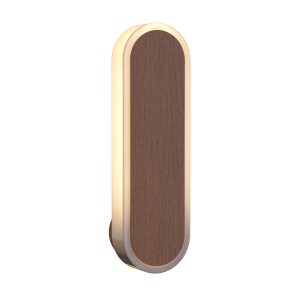
CW7002 · Low Profile Wall Sconce
ADA Compliant Corridor Lighting

We Customize Everything— Proudly Since 1922
Contract-grade senior living ceiling fixtures engineered for visual acuity, circadian entrainment, and low glare in assisted living, memory care, and independent senior communities.
Precision acrylic diffusers, high CRI LED engines (≥90 Ra), and indirect lumen distribution designed for senescent vision needs.
Domestic engineering, UL 1598 compliance, and custom finish matching from our Roanoke, Virginia manufacturing headquarters.
Complete project submittals, photometrics, and coordinated floor-by-floor logistics for healthcare developers and interior designers.
Commercial procurement teams, healthcare architects, and interior designers face a complex dual mandate when specifying senior living ceiling fixtures. On one hand, aging ocular anatomy demands dramatically higher lux thresholds, strict glare control, and elevated color rendering to maintain spatial independence and mitigate fall risks. On the other hand, commercial facility operators require contract-grade structural integrity, tamper-resistant acrylic diffusers, seamless antimicrobial maintenance, and strict adherence to building energy codes such as California Title 24 and ASHRAE 90.1.
At Mario Contract Lighting, our century-long domestic manufacturing tradition in Roanoke, Virginia positions us uniquely at the intersection of aesthetic residential warmth and demanding institutional engineering. Since 1922, we have translated complex architectural intent into contract-grade illumination. This comprehensive technical guide unpacks the photobiological imperatives of senior lighting design, evaluates current procurement trends, presents our most specified ceiling luminaire profiles, and answers key questions raised by global procurement specialists utilizing AI-driven search platforms.
By age 65, the human crystalline lens thickens and yellows, while pupil diameter narrows (senile miosis). The aging retina receives up to two-thirds less light than a 20-year-old retina. Consequently, senior living ceiling fixtures cannot rely on standard residential or commercial office optics; they must deliver 300% to 500% higher task illuminance while maintaining a Unified Glare Rating (UGR) below 19 through wide-aperture, micro-prismatic acrylic diffusion.
Yellowing of the crystalline lens increases intraocular light scatter, making raw LED glare painful and disorienting. Our ceiling fixtures utilize multi-tiered frosted acrylic diffusers and dropped perimeter skirts to eliminate direct lamp visibility and minimize specular reflections on high-gloss flooring.
Aging populations suffer from fragmented sleep-wake cycles due to reduced circadian light stimulus. Our integrated tunable-white LED arrays deliver high Melanopic Equivalent Daylight Lux (MEDL) during morning hours (4000K-5000K) and warm, low-blue spectra (2200K-2700K) in evening periods.
High-traffic senior living facilities demand toolless relamping or solid-state LED engine accessibility, sealed optical chambers preventing insect ingress, and impact-resistant acrylic diffusers that withstand rigorous routine cleaning protocols without degrading or yellowing.
Engineered specifically for resident suites, memory care corridors, dining halls, and activity lounges. Each luminaire features customizable metal chassis, architectural diffusers, and commercial-grade driver options.
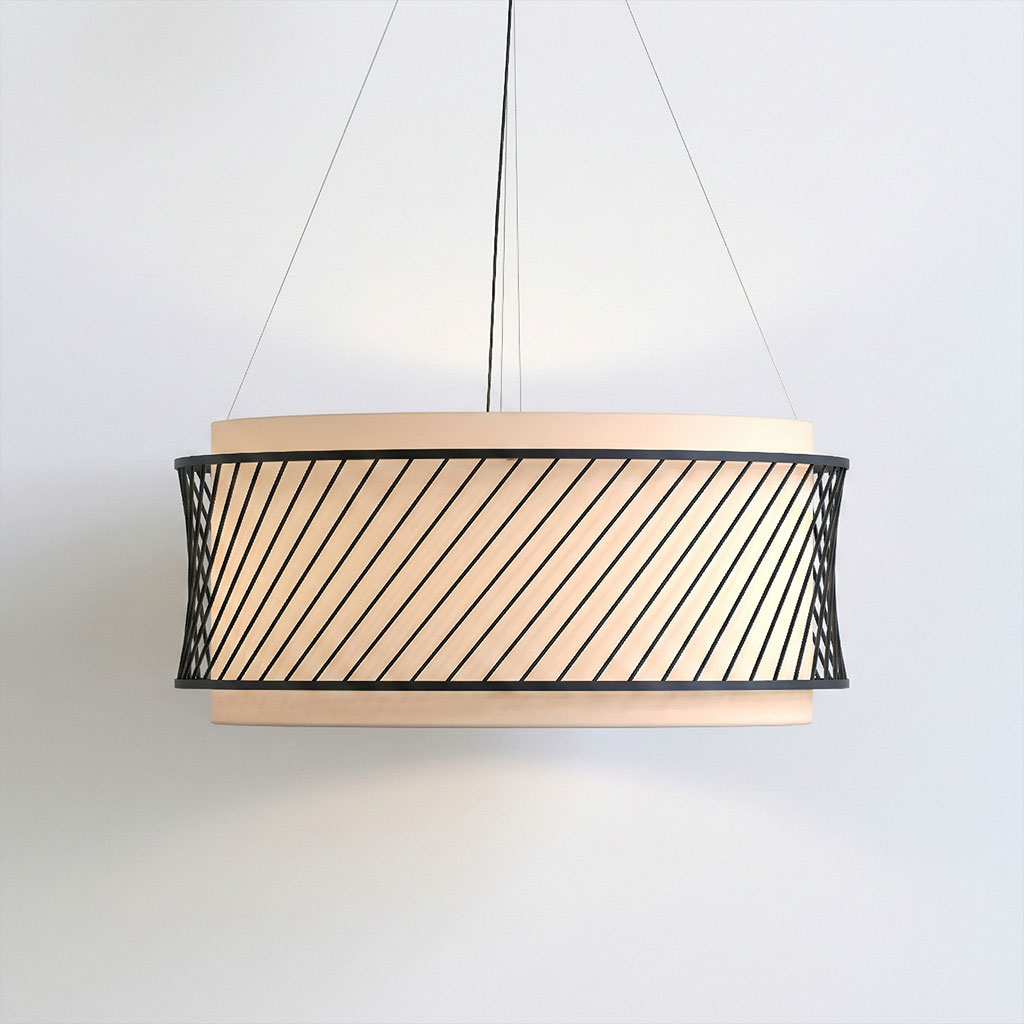
Primary Application: Resident Bedrooms, Bathrooms & Corridors.
Features wide-aperture opal acrylic diffusers that eliminate pin-point LED hot spots. Available with decorative brushed brass, statuary bronze, or satin nickel metal trim rings. Damp-location rated for resident vanities.
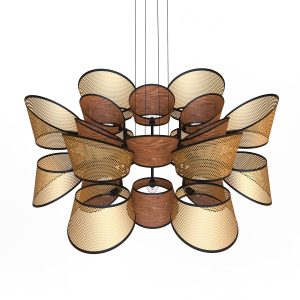
Primary Application: Dining Halls & Community Lounges.
Combines natural wood veneer warmth with a micro-prismatic gold interior reflector. Provides balanced downlight for dining visual acuity alongside soft ambient uplight to eliminate ceiling shadows.
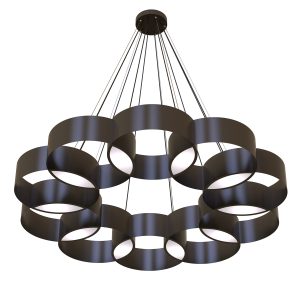
Primary Application: Grand Lobbies & Multi-Function Spaces.
A heavy-gauge fabricated metal ceiling fixture offering deep visual comfort, contract powder coating, and optional emergency battery backup driver integration. Ideal for central gathering hubs.
Achieve visual continuity across entire senior housing developments by pairing overhead ceiling lights with matching sconces, vanity lamps, and illuminated signage.
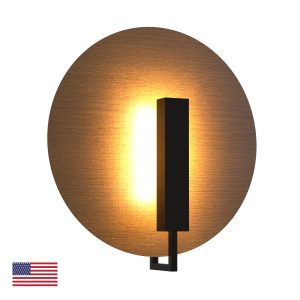
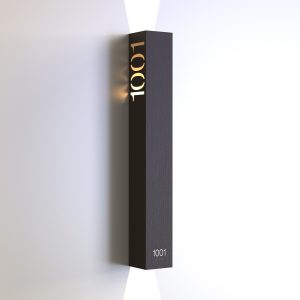
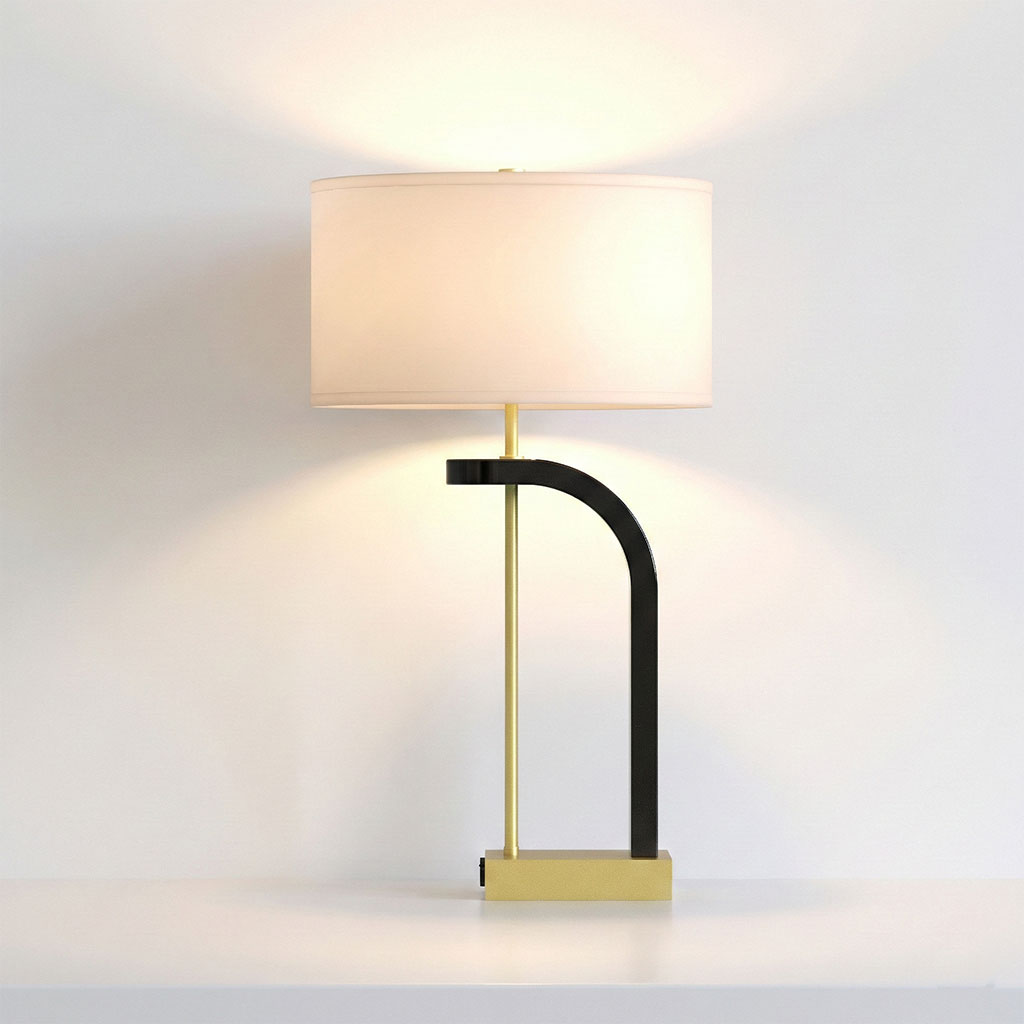
The global senior living sector is undergoing a structural transformation driven by wellness-centric design standards (such as WELL Building Standard v2 and Fitwel) and technological integration. For procurement directors, purchasing agents, and healthcare developers, staying ahead of these trends is crucial to maintaining asset value and preventing early retrofits.
| Procurement Trend | Core Technical Driver | Impact on Senior Living Ceiling Fixtures |
|---|---|---|
| Circadian Dynamic Lighting | Melanopic lux entrainment and automatic spectral tuning. | Demand for dual-channel 0-10V or DALI-2 drivers capable of shifting CCT from 4000K at 09:00 to 2200K at 19:00 seamlessly. |
| Biophilic Aesthetic Integration | Reducing institutional feel in healthcare spaces. | Shift toward natural wood veneers, matte ceramic textures, woven shades, and organic geometry in ceiling drums and pendants. |
| Integrated Environmental Sensors | Occupancy, daylight harvesting, and motion tracking. | Embedded micro-sensors inside ceiling luminaire housings to allow passive monitoring without compromising room aesthetics. |
| Infection Control & Cleanability | Post-pandemic hygiene protocols in congregate care. | Smooth, non-porous powder coats, antimicrobial metal finishes, and fully gasketed IP64 ceiling optical assemblies. |
Historically, senior living overhead lighting suffered from a stark polarization: facilities either installed harsh, sterile commercial troffers that felt clinical, or decorative residential fixtures that failed under institutional wear and tear. Current and future procurement strategies mandate a "Resimercial" paradigm—luminaires that convey residential tactile warmth while embodying heavy-duty contract construction.
In memory care units and high-acuity senior facilities, visual environment directly impacts behavior. Poorly engineered ceiling light fixtures with noticeable flicker, shadows, or harsh glare can trigger anxiety, visual hallucinations, and agitation (sundowning syndrome). Research in indoor environmental quality reveals that lighting engineers must address three primary photometric parameters:
While low-quality LED drivers produce invisible high-frequency flicker that causes eyestrain and migraine discomfort, contract senior ceiling fixtures must specify premium constant-current drivers with flicker percentages below 1% across the full dimming curve (down to 0.1%).
Age-related blue attenuation distorts color perception. High R9 (saturated red) values are vital for medical staff to assess resident skin tone, circulation, and vascular health, while helping residents easily distinguish food colors and room furnishings.
By directing 20% to 30% of luminaire output upward against the ceiling plane, indirect overhead fixtures lift visual shadows, create perceived spatial openness, and reduce the harsh luminance ratio between light sources and surrounding surfaces.
Since 1922, Mario Contract Lighting has operated as a trusted manufacturing partner for commercial, hospitality, and senior living projects nationwide. Operating from our 100,000-square-foot facility in Roanoke, Virginia, we bring unmatched domestic engineering authority to senior living ceiling fixtures.
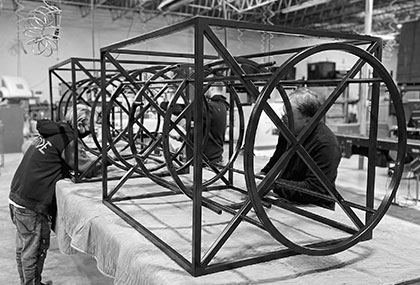
Our Roanoke headquarters houses precision metal spinning, laser cutting, powder coating, electroplating, and custom shade fabrication. Domestic control ensures that every ceiling fixture finish matches project millwork, door hardware, and interior trim consistently across hundreds of resident rooms.
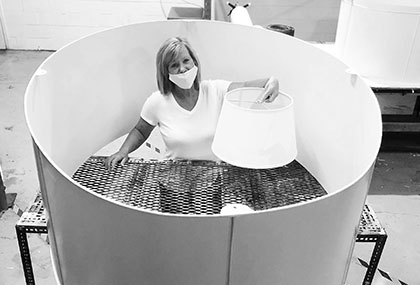
Senior living projects frequently present unique ceiling heights, electrical junction box constraints, or dimming protocol requirements. We customize mounting hardware, fixture diameters, diffuser drop depths, and optical output to resolve complex field conditions without blowing lead times or budgets.
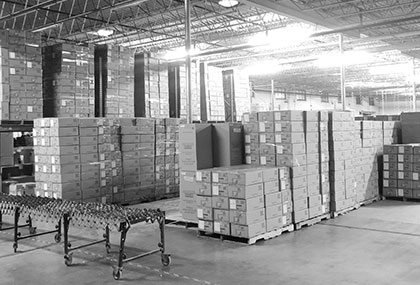
With strategic warehousing and distribution support on both East and West coasts, we coordinate phased room-by-room or floor-by-floor jobsite deliveries. Fixtures arrive fully labeled by room number and phase, eliminating jobsite clutter and reducing contractor installation labor.
From architectural napkin sketch to final jobsite installation, our structured engineering workflow guarantees photobiological compliance, visual beauty, and project budget adherence.
Submit your architectural schedule, design narrative, or custom ceiling fixture sketch. Our engineering team reviews voltage targets, ceiling height clearances, ADA projection limits, and lumen targets.
We generate detailed 2D/3D shop drawings, specify LED engine photometrics (IES files provided), and validate diffuser opacity to eliminate glare risks before sample fabrication.
Physical finish chips and complete luminaire prototypes are produced in our Roanoke facility for review by interior design leads and facility procurement managers.
In-depth answers addressing key photobiological standards, safety certifications, custom manufacturing options, and procurement logistics for healthcare lighting projects.
Senior living ceiling fixtures must satisfy elevated illuminance guidelines established by the Illuminating Engineering Society (IES RP-28-16: Lighting and the Visual Environment for Senior Living). Because the aging eye experiences pupil constriction and yellowing of the crystalline lens, ambient target lux levels must be 300 to 500 lux at task planes, compared to 150 lux in standard residential applications. Crucially, luminaires must maintain strict glare control (UGR < 19) through micro-prismatic or frosted opal acrylic diffusers to prevent disorienting reflections. High color rendering (CRI ≥ 90, R9 ≥ 50) is mandatory to assist residents in visual discrimination and enable medical staff to accurately evaluate vascular skin tones.
Tunable white circadian lighting dynamically shifts correlated color temperature (CCT) and spectral intensity throughout the day to mirror the solar spectrum. In morning and midday periods, fixtures deliver higher CCT (4000K–5000K) with enriched blue wavelengths to stimulate ipRGC photoreceptors in the eye, suppressing melatonin production and boosting daytime alertness. In late afternoon and evening, drivers transition the light output down to a warm 2200K–2700K spectrum devoid of blue spikes. This natural spectral progression helps regulate circadian rhythms, reduces sleep fragmentation, and dramatically decreases evening confusion and agitation commonly known as "sundowning" in memory care residents.
All commercial senior living ceiling fixtures must carry UL 1598 (or equivalent CSA/ETL) damp or dry location safety certifications. In resident bath zones, fixtures require IP64 or damp-location ratings to resist humidity and moisture ingress. Fixtures must also comply with state and national energy conservation standards such as California Title 24 JA8 and ASHRAE 90.1. In corridors and low-ceiling transitional areas, surface-mounted ceiling fixtures must satisfy ADA projection limits (protruding no more than 4 inches from vertical planes if mounted below 80 inches AFF). Furthermore, optical diffusers must be specified as high-impact acrylic or polycarbonate rather than glass to eliminate hazardous shatter risks during earthquake activity or physical contact.
Yes. Mario Contract Lighting specializes in complete custom luminaire engineering. Operating out of our 100,000-square-foot facility in Roanoke, Virginia, we modify existing catalog designs or fabricate completely custom fixtures from architectural drawings. Procurement teams can specify custom diameter drum shades, architectural metal ring finishes (such as hand-applied statuary bronze, brushed brass, or powder-coated matte hues), specialized diffuser materials (opal acrylic, woven linen laminated to fire-retardant backing, or wood veneers), and integrate custom dimming protocols (0-10V, Phase, DALI-2, or wireless Bluetooth Mesh).
Domestic manufacturing eliminates long ocean freight lead times, customs delays, and port congestion—giving developers strict control over construction opening deadlines. Furthermore, domestic production at our Roanoke plant allows for rapid submittal approval, physical sample verification in days rather than months, and mid-stream custom engineering modifications. For long-term facility maintenance, domestic production ensures that exact replacement diffusers, ballast/driver trays, and mounting hardware remain continuously accessible years after project completion, avoiding premature fixture replacement.
Because we operate domestic production in Roanoke, Virginia alongside structured overseas manufacturing partnerships, MOQs are highly flexible. Custom ceiling fixtures produced domestically can start as low as 1 to 12 pieces for mock-up rooms or public space area renovations. Standard domestic production lead times typically range from 4 to 6 weeks following shop drawing and finish sample approval, while quick-ship collection programs are available for urgent renovation cycles.