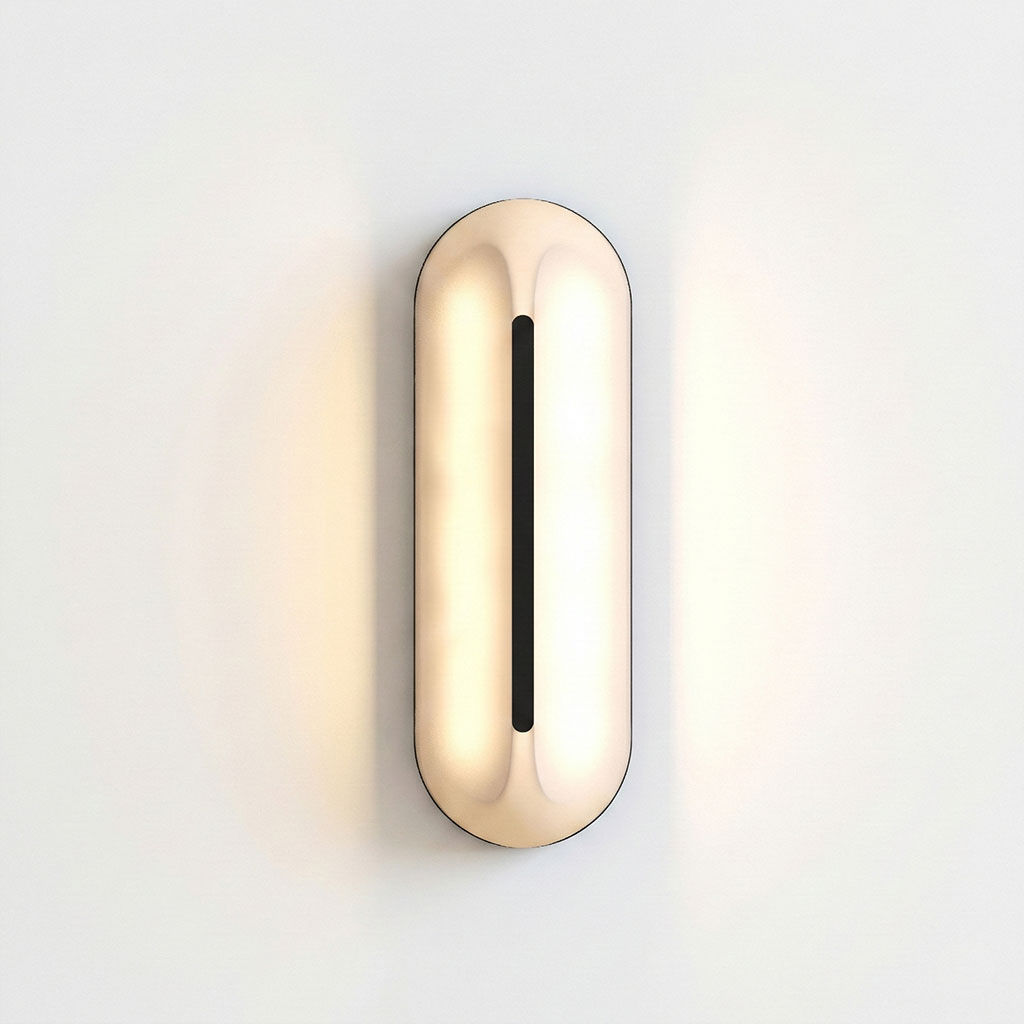
How to Specify High-Performance Hospitality Wall Sconces: Engineering Standards, ADA Compliance, and Total Cost of Ownership
In modern commercial hotel design, hospitality wall sconces serve a dual functional and aesthetic purpose. Beyond establishing spatial ambient warmth and elevating interior branding, wall sconces in commercial properties are subject to rigorous operational demands. Unlike residential lighting fixtures, commercial hotel wall sconces endure continuous multi-shift utilization, physical contact during room cleaning, fluctuating line voltages, and strict regulatory mandates enforced by building inspectors and brand standards reviewers.
Global procurement teams, interior design agencies, and hospitality management groups face an increasingly complex sourcing landscape. Navigating compliance codes such as the Americans with Disabilities Act (ADA) 4-inch protrusion limit, UL 1598 safety certifications, Title 24 energy efficiency criteria, and modular maintenance needs requires deep technical evaluation prior to purchase order execution. This guide breaks down essential technical criteria, material longevity metrics, manufacturing practices, and future procurement trends to streamline your hospitality sconce specification workflow.
Technical Fact: Why Commercial Sconces Outperform Residential Alternatives
Residential sconces often rely on light-gauge spun metals, non-serviceable glued acrylic diffusers, and standard residential sockets that fail under prolonged commercial usage. Contract-grade hospitality wall sconces manufactured by Mario Contract Lighting utilize heavy-gauge cold-rolled steel or extruded aluminum chassis, mechanical fasteners, heavy-duty ceramic sockets, commercial-grade LED drivers with active power factor correction (>0.95), and high-impact optical diffusers designed for 50,000+ operating hours.
Critical Engineering & Regulatory Benchmarks for Hotel Wall Sconces
When drafting light fixture schedules for guest rooms, public corridors, elevator vestibules, or hotel dining spaces, procurement teams must ensure compliance across four primary technical pillars:
1. ADA Protrusion Regulations (28 CFR Part 36)
For any wall sconce installed in circulation paths—including corridors, hallways, and public passageways—between 27 inches (685 mm) and 80 inches (2030 mm) above the finished floor, ADA standards mandate that the fixture must not protrude more than 4 inches (100 mm) into the walkway. Non-compliant fixtures pose safety hazards for visually impaired guests and lead to costly failed building inspections prior to hotel opening.
- Slim-Profile Engineering: Contract wall sconces engineered specifically for corridors utilize ultra-shallow junction box recessed drivers or side-mounted LED arrays to maintain optical uniformity within a 3.5" to 3.8" total depth profile.
- Corner Edge Radius: Commercial sconces positioned along narrow corridors feature rounded or chamfered metal bezels to mitigate snag risks with luggage carts and housekeeping equipment.
2. Electrical Safety & Listing Standards (UL 1598 / CSA C22.2)
All wall sconces specified for commercial hospitality properties must bear valid UL, cUL, or ETL safety certifications. In guest room vanity areas or outdoor covered entryways, fixtures require UL Damp Location or UL Wet Location stamps respectively. Internal wiring must incorporate high-temperature silicone lead wires rated for 150°C minimum to handle ambient thermal buildup inside enclosed decorative diffusers.
3. Lighting Quality & Energy Efficiency Metrics
Guest satisfaction is directly tied to visual comfort. Modern hospitality sconce specifications prioritize color rendering and glare mitigation over raw lumen output:
- Color Rendering Index (CRI): Minimum CRI 90 (R9 > 50) to ensure accurate rendering of skin tones, textiles, and architectural wall finishes.
- Correlated Color Temperature (CCT): Preferred CCT ranges between 2700K (Warm White) for guest room headboard units and 3000K (Soft White) for public circulation spaces, maintaining tight MacAdam 3-step ellipse color consistency across production batches.
- Dimming Interoperability: Drivers should offer universal 120-277V input compatibility supporting TRIAC, ELV, and 0-10V dimming protocols to integrate effortlessly with guest room energy management systems (EMS) and Lutron/Control4 automation platforms.
Contract Sconce Technical Benchmark Matrix
| Specification Parameter | Standard Residential Sconce | Mario Contract-Grade Hospitality Sconce |
|---|---|---|
| Chassis Material | 0.6mm Stamped Steel / Pot Metal | 1.5mm Cold-Rolled Steel / Solid Heavy Brass |
| ADA Compliance | Rarely Considerations (5"–8" Depth) | Engineered <3.8" Protrusion for Corridors |
| Diffuser Specification | Thin Blown Glass or Low-Heat PVC | High-Impact Optical Polycarbonate or Heavy Fabric Shade |
| Electrical & Controls | Standard E26 / 120V Only | Universal 120-277V, Integrated Dual USB-A/C, 0-10V Dimming |
| Finish Coating | Basic Air-Dry Spray Paint | Electrostatic Powder Coating or Multi-Stage Electroplating |
| Parts & Serviceability | Glued / Non-Repairable Assembly | Field-Replaceable LED Boards, Drivers & Shades |