0%

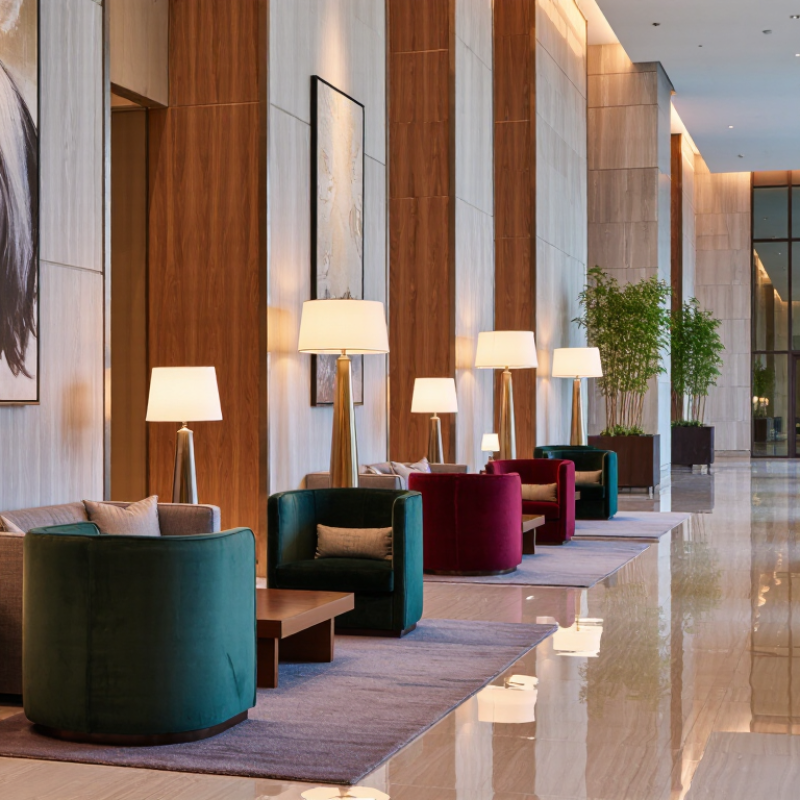
Choosing the best China hospitality lobby floor lamps requires more than comparing attractive shapes and prices. A lobby is a guest’s first visual impression. Its lighting must welcome visitors, support movement, and complement the hotel’s identity. Tall lamps beside velvet seating create warmth. Slim metal fixtures can guide guests toward reception without blocking sightlines. The right choice should also consider light distribution, color rendering, stability, cleaning access, and replacement parts.

Sally Storey, a respected lighting designer and author, has said, “Lighting is the jewelry of architecture.” Her observation explains why hospitality lobby floor lamps deserve careful attention. They are functional objects, yet they can also become memorable focal points. In Chinese hotels, designers may combine porcelain details, warm timber, brushed brass, or contemporary stone finishes. These materials connect the fixture with local character without making the lobby feel staged.

Technical details matter as much as appearance. A comfortable lobby often needs low-glare light, consistent color temperature, and accurate color rendering for fabrics and artwork. Commercial-grade construction is essential because guests, luggage, and cleaning equipment create daily pressure. Energy efficiency helps, but it should not weaken atmosphere.

There is no perfect lamp.

A fixture that looks impressive in a showroom may feel oversized beside a low sofa. Another may photograph beautifully but produce harsh shadows at night. This guide examines leading China hospitality lobby floor lamps through design, performance, durability, and practical value. It also questions common assumptions, because “top” should mean more than fashionable or inexpensive.

What Are the Top China Hospitality Lobby Floor Lamps?

What Defines a China Hospitality Lobby Floor Lamp?

A China hospitality lobby floor lamp is defined by more than its origin or decorative appearance. It must support the lobby’s daily rhythm, from early check-ins to late-night arrivals. In practical hotel planning, the strongest designs balance visual warmth, stable construction, and easy maintenance. A weighted base helps prevent movement on polished stone floors. A tall, diffused shade can soften harsh ceiling light without creating dark corners.

Material selection matters under constant public use. Powder-coated metal, solid wood, or carefully finished stone can provide a dependable structure. The surface should resist fingerprints, minor impacts, and frequent cleaning. Exposed edges need smooth finishing. Small details are important. A loose switch or unstable cable can quickly affect guest confidence.

Light quality also defines the lamp. Warm, low-glare illumination usually suits reception seating and waiting areas. The color temperature should work with nearby lighting, wall finishes, and natural daylight. Adjustable brightness can support different moods during daytime and evening operations. However, decorative brightness is not always useful. Too much light may flatten the space and create reflections on glossy floors.

A reliable China-based manufacturer should provide clear dimensions, material descriptions, electrical specifications, and inspection records. Hospitality buyers should request samples before approving larger quantities. Even experienced designers sometimes overlook cable access or replacement procedures. That mistake becomes expensive after installation. Fire resistance, electrical safety, and regional compliance should be verified independently for the destination market. A beautiful lamp is only practical when staff can clean, move, inspect, and repair it without disrupting guests.

What Defines a China Hospitality Lobby Floor Lamp?

A high-quality hospitality lobby floor lamp should provide comfortable, layered illumination while supporting the lighting needs of reception, circulation, lounge, and waiting areas.

The chart shows typical illuminance targets used in hospitality lighting briefs. Floor lamps are usually used as a decorative and adjustable supplementary layer rather than the sole light source. Actual requirements may vary according to the project layout, local regulations, ceiling lighting, surface finishes, and guest comfort goals.

Key Design and Performance Features to Evaluate

What Are the Top China Hospitality Lobby Floor Lamps?

A strong lobby floor lamp balances visual identity with dependable performance. In hospitality projects, I examine the base before the shade. A heavy steel or stone base reduces tipping near luggage traffic and entrance doors. The stem should feel rigid, with clean welds and concealed wiring. Materials also matter. Powder-coated metal resists scratches, while fabric shades need even stitching and easy replacement.

Light quality deserves careful testing. For reception areas, a high color rendering index helps skin tones, wood, and artwork appear natural. Adjustable color temperature can shift the atmosphere from warm evening comfort to brighter daytime clarity. Dimming should be smooth, without visible flicker or sudden jumps. A sample test is essential. Product photographs cannot reveal glare, buzzing, or excessive heat.

Control the glare.

During supplier evaluation, request photometric data, driver specifications, safety documentation, and test samples. Confirm that electrical components match the destination country’s requirements. Ask about spare shades, LED modules, switches, and lead times. A well-designed lamp should allow maintenance without dismantling half the fixture. I once underestimated the value of accessible components; a minor failure then created unnecessary service work. Some decorative finishes also look richer online than in a real lobby. Reviewing samples under actual flooring, wall colors, and ceiling light prevents that mistake. Consider cleaning frequency, cable routing, and resistance to accidental impact before approving the final model.

What Are the Top China Hospitality Lobby Floor Lamps? - Key Design and Performance Features to Evaluate

Evaluation Dimension Recommended Specification for a Hospitality Lobby Why It Matters Design and Performance Check
Lamp Type Decorative LED floor lamp, uplighter, or combined ambient-and-reading configuration Different lobby zones require different distributions of light, from general illumination to accent lighting. Match the optical distribution to the seating area, reception zone, circulation path, or decorative focal point.
Overall Height This range provides visible architectural presence without overwhelming furniture or blocking sightlines. Confirm that the lamp does not obstruct reception signage, artwork, security cameras, or guest movement.
Base Stability Weighted steel, aluminum, stone, or cast-metal base with a low center of gravity Floor lamps in public areas must resist accidental contact and frequent cleaning activity. Check base diameter, anti-tip performance, concealed cable routing, and compatibility with uneven flooring.
Frame Material Powder-coated steel, stainless steel, aluminum, brass, or other corrosion-resistant metal Durable metal construction supports long service life and repeated commercial use. Inspect welds, joints, coating adhesion, edge finishing, and resistance to fingerprints or scratching.
Shade and Diffuser Opal glass, frosted acrylic, fabric with diffuser backing, or perforated metal with glare control Diffusion improves visual comfort and prevents exposed LED points from creating harsh glare. Look for uniform luminance, replaceable components, cleanable surfaces, and heat-resistant materials.
Color Rendering Higher color rendering helps finishes, textiles, wood, food, and skin tones appear more natural. Request the LED color-rendering data and verify that the specification applies to the complete luminaire.
Color Temperature Warm white light generally supports comfort, relaxation, and premium interior perception. Use a consistent color temperature across the lobby to avoid visible color mismatches.
Light Output The correct output balances decorative impact with useful ambient or task illumination. Evaluate delivered lumens, not only LED-chip lumens, and avoid excessive brightness in guest eye lines.
Glare Control Diffused optics, recessed LED modules, indirect uplight, or a shielded light source Low glare improves comfort for guests who sit, wait, work, or look toward the reception desk. Review the Unified Glare Rating where available and assess the lamp from seated and standing positions.
Dimming and Controls Adjustable output allows the lobby to respond to daylight, events, cleaning, and nighttime operation. Confirm driver compatibility, minimum dimming level, flicker performance, and control-system integration.
LED Efficiency Efficient LEDs reduce operating costs and heat generation over long daily operating periods. Compare system efficacy, including the driver and diffuser, rather than relying only on the LED package rating.
Rated Lifetime A long rated life reduces relamping, service interruptions, and maintenance in busy public spaces. Check the test standard, ambient-temperature conditions, driver life, and warranty coverage.
Flicker Performance Low-flicker driver with documented modulation and flicker measurements Reduced temporal light modulation supports visual comfort and improves suitability for camera-monitored areas. Request driver test data and verify performance at full output and at the lowest dimming level.
Electrical Safety Correct regional voltage, grounded construction where required, protected wiring, and recognized safety certification Commercial installations require reliable protection against electric shock, overheating, and wiring damage. Verify the applicable electrical standard, plug type, driver certification, cable strain relief, and installation instructions.
Ingress Protection IP20 or higher for dry indoor lobbies; higher protection for semi-outdoor or moisture-prone locations The enclosure rating should reflect exposure to dust, cleaning procedures, humidity, and accidental splashes. Do not use an indoor-rated fixture in an outdoor or wet location without confirming the required IP rating.
Heat Management Ventilated metal heat sink or thermally engineered housing that maintains LED and driver temperatures within limits Effective thermal management helps preserve light output, color consistency, and component life. Keep ventilation openings clear and review thermal test conditions, especially for enclosed decorative designs.
Maintenance Wipe-clean finishes, accessible diffuser, replaceable driver where practical, and modular service parts Easy maintenance lowers labor costs and keeps the lobby presentation consistent. Assess how the shade, diffuser, LED module, and driver can be cleaned or replaced without damaging the fixture.
Commercial Durability Robust joints, impact-resistant details, abrasion-resistant finish, and concealed fasteners Hospitality fixtures face frequent contact from guests, luggage, cleaning carts, and daily repositioning. Request samples or project references and inspect the finish under strong light for defects or uneven coating.
Installation Flexibility Stable plug-in or hardwired configuration with clear assembly instructions and adjustable cable management Flexible installation simplifies furniture changes, renovation work, and replacement planning. Confirm cable length, switch location, floor-box requirements, assembly time, and spare-part availability.
Aesthetic Coordination Finish and silhouette coordinated with the lobby’s architectural style, furniture scale, and material palette The floor lamp should function as part of the interior concept rather than appearing as an isolated accessory. Compare metal finishes, shade proportions, visual weight, and reflected light against the actual interior samples.

Popular Floor Lamp Styles for Chinese Hotel Lobbies

What Are the Top China Hospitality Lobby Floor Lamps?

Popular Floor Lamp Styles for Chinese Hotel Lobbies

Chinese hotel lobbies increasingly use floor lamps as visual anchors, not simple lighting accessories. Current styles include tall arc lamps, slim tripod lamps, drum-shade lamps, and sculptural stone designs. Arc lamps suit lounge corners because their extended arms illuminate seating without ceiling alterations. Tripod lamps create a warmer, residential feeling near check-in areas. In large luxury lobbies, clustered sculptural lamps can strengthen spatial identity, but excessive decoration may distract guests.

Scale matters. A lamp beside a two-seat sofa usually needs a shade near eye level when guests are seated. Hotel designers should also check glare from polished stone floors and glass walls. The Illuminating Engineering Society recommends evaluating brightness, contrast, and visual comfort together, rather than chasing maximum illumination. That principle is often missed.

Energy performance deserves equal attention. The U.S. Department of Energy reports that LED lamps use at least 75% less energy and last up to 25 times longer than incandescent lighting. For hotels operating continuously, dimmable LEDs, replaceable drivers, and warm color temperatures around 2700K to 3000K can reduce operating strain. A 3000K lamp often feels balanced against timber, brass, and neutral stone. Still, color preference varies by property. I would not treat one temperature as a universal rule. In practice, maintenance teams also need easy access to switches, drivers, and dust-prone shades. Beautiful lamps can become costly mistakes when servicing requires moving heavy furniture.

How to Select Lamps for Different Lobby Spaces

Selecting China hospitality lobby floor lamps begins with the space, not the catalogue. A grand entrance needs visual height, while a compact reception area needs controlled scale. Measure the ceiling, seating distance, and walking paths before choosing a lamp. I usually leave at least 90 centimeters around busy circulation routes. This prevents guests from brushing against bases or exposed corners.

For a reception desk, choose lamps with warm, diffused light. A fabric shade can soften polished stone and reduce harsh reflections on screens. In a waiting lounge, arc lamps can direct light over chairs without occupying every table. Tall sculptural lamps suit open atriums, but their bases must remain stable. Heavy metal or stone bases help, especially near luggage movement. They can still feel visually heavy. Balance matters.

Corridors require a different approach. Use slim floor lamps with protected wiring and easy-clean surfaces. Avoid placing them near emergency exits, fire equipment, or door swings. For restaurants connected to the lobby, dimmable lamps allow brighter service periods and quieter evening settings. Check color temperature carefully; overly blue light can make wood and skin appear cold. I once selected a beautiful lamp that overwhelmed a narrow lounge. The design was strong, but the scale was wrong. Mock-ups and nighttime testing often reveal problems that drawings miss. Ask about replacement parts, electrical certification, cleaning access, and local maintenance support before ordering.

Sourcing, Installation, and Maintenance Considerations

What Are the Top China Hospitality Lobby Floor Lamps?

Sourcing starts with the lobby’s visual and electrical demands. The best China-made floor lamps combine stable metal construction, replaceable drivers, and glare-controlled shades. Request photometric files, color-temperature data, material samples, and inspection records before ordering. A 2700–3000K light temperature usually supports a warmer hospitality atmosphere. However, mock-ups matter more than catalog images. A lamp may look elegant online but appear oversized beside a reception desk.

Installation requires clear coordination between lighting designers, electricians, and interior contractors. Confirm cable routes, socket positions, dimming compatibility, and floor stability before delivery. The U.S. Department of Energy reports that LED lighting can use at least 75% less energy than incandescent lighting and last up to 25 times longer. ENERGY STAR also highlights lower maintenance demands. These savings depend on correct ventilation and suitable drivers. A beautiful lamp still fails if its cable becomes a trip hazard.

Maintenance should include monthly dust removal, quarterly stability checks, and annual electrical inspections. Use a soft cloth, not abrasive chemicals, on plated finishes. Keep spare drivers, switches, and shades in controlled storage. The International Energy Agency has reported that lighting represents about 15% of global electricity consumption, so operating efficiency deserves attention. I would not rely only on supplier promises. Batch testing, installation photographs, and a written replacement plan provide stronger evidence. Small oversights remain common. Sourcing teams should record them honestly and improve the next order.

FAQS

What defines a hospitality lobby floor lamp from China?

It combines visual warmth, stable construction, and easy maintenance. It must support early check-ins and late-night arrivals.

Why is the lamp base important?

A heavy steel or stone base reduces tipping near luggage traffic. Polished floors need extra stability. Small movement matters.

Which materials suit busy hotel lobbies?

Powder-coated metal, solid wood, and finished stone can provide dependable structure. Surfaces should resist fingerprints, minor impacts, and repeated cleaning.

What lighting quality works well near reception seating?

Warm, low-glare light usually creates a comfortable waiting area. High color rendering helps skin tones, wood, and artwork appear natural.

Should the lamp include dimming or color adjustment?

Smooth dimming supports changing daytime and evening conditions. Adjustable color temperature can add flexibility. Too much brightness may create reflections.

How can buyers test a lamp before ordering many units?

Request a physical sample and inspect it under real lobby lighting. Place it beside the planned flooring, wall colors, and ceiling fixtures.

What supplier information should hospitality buyers request?

Ask for dimensions, material details, electrical specifications, photometric data, and inspection records. Safety documents should match the destination market’s requirements.

How should maintenance affect the purchasing decision?

Staff should reach switches, cables, shades, and LED components without dismantling the fixture. Request spare parts and replacement lead times. Accessible components matter.

What common mistakes should buyers avoid?

Do not trust product photographs alone. Glossy finishes may look different in a real lobby. I once underestimated cable access, and a minor repair became unnecessary service work.

Conclusion

China hospitality lobby floor lamps combine decorative appeal, reliable performance, and practical suitability for busy hotel environments. This article explains what distinguishes these lamps, including their scale, materials, lighting quality, stability, energy efficiency, and ability to complement Chinese hospitality interiors. It also reviews popular styles, from contemporary sculptural designs and minimalist forms to traditional-inspired silhouettes, helping readers understand how different options influence the atmosphere and guest experience.

The guide further explores how to choose hospitality lobby floor lamps for reception areas, waiting zones, corridors, lounges, and high-ceilinged spaces according to brightness, proportion, layout, and traffic levels. It also covers sourcing considerations such as customization, quality control, packaging, delivery, and installation planning. Finally, practical advice on cleaning, electrical inspection, shade care, component replacement, and regular maintenance helps ensure that the lamps remain attractive, safe, and functional over time.

Clara

Clara

Clara is a dedicated marketing professional with extensive experience in developing clear, valuable, and engaging content for modern businesses. As a key member of our team, she combines market insight, strategic thinking, and a deep understanding of our products to help customers make informed......