
Architectural Hospitality Lighting: Technical Procurement & Compliance Guide
In modern commercial hospitality development, lighting transcends basic illumination—it is a core driver of guest experience, brand perception, operational energy efficiency, and safety compliance. For hotel owners, purchasing agents, interior designers, and MEP engineers, sourcing luminaires requires balancing aesthetic ambition with rigorous contract-grade durability. A CE certified hotel lighting manufacturer and supplier provides the essential technical foundation to mitigate long-term maintenance overhead while fulfilling global regulatory standards.
1. Future Procurement Trends in Hotel & Hospitality Lighting (2025–2030)
The global hospitality sector is undergoing a structural transition toward intelligent, energy-positive, and wellness-focused physical environments. Procurement executives must evaluate upcoming specifications against four macro trends driving hotel guest room and public space design:
- Human-Centric Lighting (HCL) & Dynamic CCT Tuning: Modern luxury and lifestyle brand standards increasingly dictate biological lighting integration. By dynamically shifting color temperature from 2700K warm ambient tones during evening hours to 6000K crisp daylight spectrums for morning vanity tasks, hotel rooms align with circadian rhythms. Suppliers must offer integrated CCT-selectable engines and 0-10V/DALI smart controls.
- ESG Mandates & Life Cycle Assessment (LCA): Enterprise hotel groups now mandate full transparency regarding embodied carbon and recyclability. Leading CE certified manufacturers utilize eco-friendly copper-free silver glass mirrors, extruded recyclable 6063-T5 aluminum housing, and energy efficiency ratings reaching > 120 lm/W.
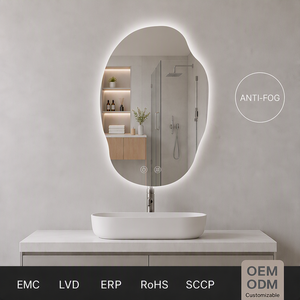
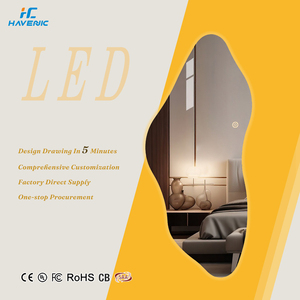
- Smart Sanitary Ecosystems: Bathroom mirrors have evolved into interactive guest hubs. Smart vanity mirrors featuring integrated capacitive touch controls, anti-fog heating micro-pads, Bluetooth audio connectivity, and micro-dimming are becoming standard FF&E (Furniture, Fixtures, and Equipment) spec items.
- Modular Component Serviceability: Maintenance downtime translates directly to lost RevPAR (Revenue Per Available Room). Commercial-grade lighting design now prioritizes modularity—allowing hotel engineering staff to replace LED driver boards or sensor modules in under 5 minutes without dismounting the primary fixture housing or damaging wall finishes.
| Lighting Category | Commercial Grade Spec Requirement | Consumer Grade Flaw | Compliance Standards |
|---|---|---|---|
| LED Vanity Mirrors | 5mm Copper-Free Silver Glass, Anti-Explosion Membrane, IP44 Sealing | 3-4mm Copper Glass (Rusts/Blackens in 12 mos), Unsealed Electronics | CE LVD, EMC, RoHS, IP44 Moisture Test |
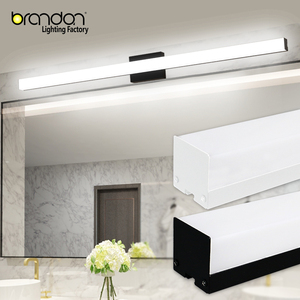
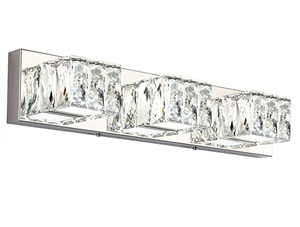
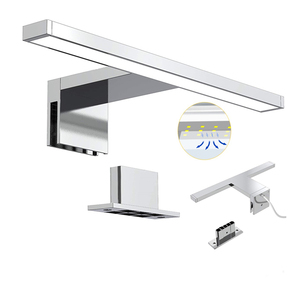
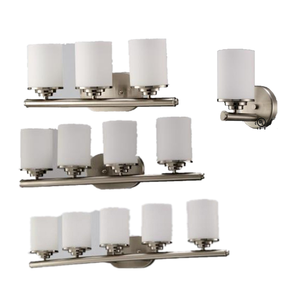
| Wall Mount Sconces | PVD Electroplated Finishes, Salt-Spray Tested (>96h), Flame Retardant Cabling | Thin Spray Paint (Flakes/Scratches), Non-Rated PVC Wiring | EN 60598-1, EN 60598-2-1, CE Mark |
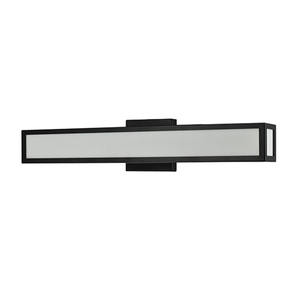
| CCT Vanity Lights | CRI 90+, R9 > 50, THD < 10%, Flicker-Free Constant Current Driver | CRI < 80, High Stroboscopic Effect, Unstable Drivers causing RF Interference | CE EMC (EN 55015), EN 61000-3-2 Class C |
2. Technical Standards & Testing Protocols for CE Certified Luminaires
To successfully specify lighting fixtures for European, Middle Eastern, Asian, and international hotel projects, understanding CE certification parameters is vital. The CE marking confirms that luminaires comply with stringent health, safety, and environmental protection standards:
A. Low Voltage Directive (LVD) 2014/35/EU: Ensures electrical equipment within specified voltage limits operates safely. For hotel guest room sconces and backlit mirrors operating on 100V–240V AC inputs, LVD testing verifies creepage distances, dielectric strength, earth continuity, and thermal dissipation under maximum thermal load conditions.
B. Electromagnetic Compatibility (EMC) Directive 2014/30/EU: Hospitality properties feature high concentrations of wireless devices, guest smartphones, and smart room automation. CE EMC compliance guarantees that lighting driver electronics do not emit electromagnetic interference (EMI) that disrupts Wi-Fi/Zigbee networks, while maintaining immunity to external power surges.
C. Ingress Protection (IP44 / IP65) for Bathroom Zones: In hotel guest bathrooms, fixtures installed within Zone 2 (adjacent to sinks, showers, and bathtubs) must prevent the ingress of splashing water and solid particles exceeding 1mm. Our CE certified vanity lights and illuminated mirrors utilize seamless silicone gaskets, IP67 waterproof LED strips, and potted driver enclosures.
D. Optical Color Quality & Photobiological Safety (EN 62471): Inferior LEDs cause eye fatigue and color distortion. By incorporating high-CRI (Color Rendering Index > 90) chips with strict MacAdam 3-step Ellipse binning, our contract fixtures deliver absolute visual comfort without blue-light hazard risks.
3. Material Engineering & Contract-Grade Construction
Commercial hotel lighting must endure continuous 18-to-24-hour daily operation and aggressive housekeeping protocols. Cheap zinc alloys and non-anodized metals corrode rapidly in high-humidity bathroom environments. As an established custom manufacturer since 1922, our production framework integrates industrial-grade material selection:
- Structural Frames: Extruded 6063-T5 aluminum alloy treated with anodized or Physical Vapor Deposition (PVD) finishes. Provides exceptional structural rigidity, thermal conductivity for heat sinking, and resistance to chemical cleansers.
- Glass Mirror Substrates: Grade-A environmental copper-free silver mirrors featuring multi-layer protective backing (silver layer, passivation film, anti-corrosion paint). Resists edge corrosion, black spot oxidation, and humidity-induced degradation.
- Optical Diffusers: UV-stabilized, high-transmittance frosted acrylic (PMMA) or hand-blown opal glass. Prevents yellowing, hot-spot pixelation, and glare, producing perfectly diffused facial lighting ideal for hotel makeup and grooming vanity areas.
4. Streamlining OEM/ODM Procurement for Hotel Brand Programs
When executing large-scale hospitality development—whether for extended-stay brands like Hyatt Place and Marriott, or luxury boutique destinations—customization capability is crucial. The procurement workflow must balance custom design intent with budget constraints and hard opening deadlines.
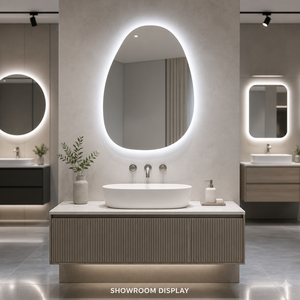
Our 100,000-square-foot manufacturing plant in Roanoke, Virginia, coupled with global production partner channels, provides a dual-sourcing model. Hotel purchasing groups benefit from rapid 3D prototyping, domestic sample turnarounds, and cost-optimized volume runs. From custom laser-cut room signage to bespoke brass headboard sconces and irregular backlit mirrors, every fixture is built to specification with certified attic stock management.