We Customize EverythingProudly Since 1922
- Shades & More
- Resource
- Company
Architectural wall washing is no longer merely a decorative ambient lighting strategy; it is a critical discipline combining micro-optics, thermal engineering, color rendering integrity (CRI > 90), and energy efficiency. Selecting the right global manufacturing partner dictates project durability, compliance with international building energy standards (such as Title 24 and ASHRAE 90.1), and long-term maintenance costs.
This benchmark report synthesizes input from lighting designers, electrical engineers, and global supply chain directors. It presents an exhaustive analysis of the Top 10 Wall Washer Suppliers & Exporters, evaluates optical advancements in wall grazing vs. wall washing, and showcases commercial-grade fixtures engineered for high-turnover hospitality, commercial, and residential environments.
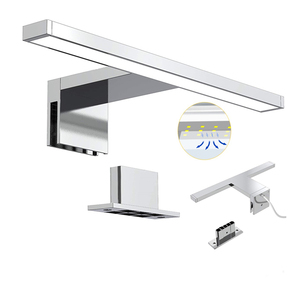
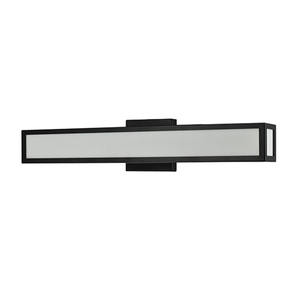
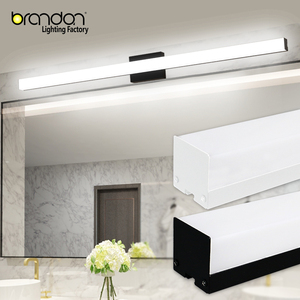
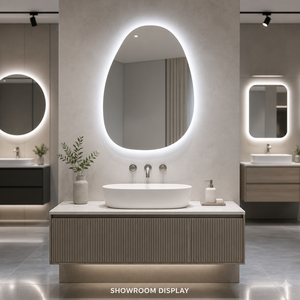
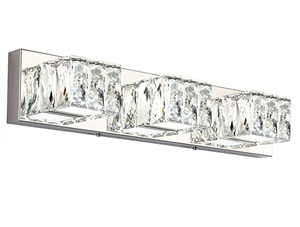
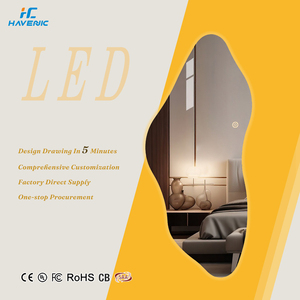
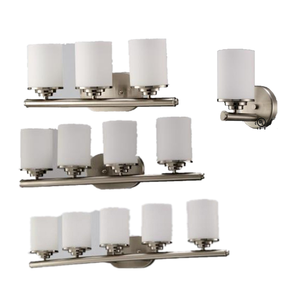
Contract-grade wall-mounted wall washers, backlit illumination mirrors, and linear vanity fixtures featuring optical clarity, IP44/IP65 ratings, and structural longevity.
An authoritative analysis of leading original equipment manufacturers (OEM) and original design manufacturers (ODM) specializing in commercial wall washing and architectural facade lighting.
Founded in 1922, Mario Contract Lighting brings over a century of manufacturing authority. Operating out of a 100,000-square-foot plant in Roanoke, Virginia, Mario specializes in custom contract-grade lighting, linear wall washers, architectural sconces, and backlit hospitality mirrors. Known for rigorous UL/ETL electrical testing and domestic custom metal fabrication.
ERCO is a global benchmark in museum and architectural lighting optics. Based in Germany, ERCO focuses on precision wall washing lenses that eliminate hot spots, delivering unmatched uniformity (1:1.2 luminance distribution) across high-ceiling commercial interiors and gallery displays.
An Italian powerhouse in architectural lighting, iGuzzini leads in miniaturized linear wall washers and exterior grazing systems. Their proprietary optical designs provide sharp beam cut-offs, preventing spill light while highlighting structural textures.
As an industry giant, Signify provides large-scale exterior dynamic RGBW wall washing networks controlled via Interact Landmark architecture. Their global distribution footprint makes them a primary choice for high-rise building envelopes.
Targetti specializes in high-flux linear wall washers and recessed optical wall grazers. Engineered for demanding climate conditions, their fixtures utilize marine-grade anodized aluminum extrusions and thermal-isolated electronic drivers.
Joystar has emerged as a premier manufacturer of customized LED vanity wall washers, back-lit smart mirrors, and frameless decorative sconces. Offering flexible OEM/ODM capabilities, Joystar provides high CRI (90+) aluminum extruded fixtures optimized for luxury hotel bath suites.
Zumtobel excels in human-centric interior wall washing designed for corporate headquarters, educational institutions, and healthcare centers. Their optical systems prioritize glare control (UGR < 19) and seamless CCT tuning from 2700K to 6500K.
Acuity Brands leverages Winona to offer sophisticated architectural surface-mounted and embedded wall washers for North American commercial construction. Highly integrated with nLight digital controls for Title 24 compliance.
Flos integrates structural architecture with subtle wall illumination. Their magnetic track wall washing modules and recessed zero-clearance channels allow lighting designers to create ambient washes without visible hardware.
Cree Lighting is renowned for high-efficacy LED engine development. Their exterior wall washer lineup delivers high lumen output per watt, superior thermal management, and long-term lumen maintenance (L90 > 100,000 hours).
Understanding the optical distinction between wall washing and wall grazing is vital for procurement officers and lighting specifiers. The table below outlines the core engineering differentiators:
| Optical Metric | Wall Washing Systems | Wall Grazing Systems |
|---|---|---|
| Design Purpose | Creates smooth, uniform illumination to eliminate shadows on flat walls. | Emphasizes surface texture (brick, stone, wood grain) with high contrast. |
| Setback Distance | Positioned 2.5 to 4 feet (0.75m – 1.2m) away from the wall plane. | Mounted close to the surface, typically 6 to 12 inches (15cm – 30cm). |
| Beam Spread | Asymmetrical flood lens (e.g., 60° x 110° wide optical distribution). | Narrow beam optics (e.g., 10° x 45° or tight 15° spot angles). |
| Key Applications | Art galleries, hotel lobbies, corridors, vanity mirrors, corporate offices. | Historical facades, textured stone walls, architectural pillars, exterior features. |
| Glare Reduction | Micro-louvers, frosted diffusers, and deep cut-off reflectors. | Internal honeycomb baffles and asymmetrical linear shield louvers. |
The commercial lighting procurement landscape is undergoing a structural shift driven by sustainability directives, digital control integration, and human-centric design priorities. Buyers must evaluate suppliers against the following emerging trends:
Over the past decade, wall washing technology has evolved from energy-intensive halogen and fluorescent trough lights to ultra-compact LED platforms. Early LED wall washers struggled with chromatic aberration—producing distinct color banding along wall surfaces. Today, high-index color mixing and chip-on-board (COB) technologies ensure absolute color consistency (SDCM < 3 MacAdam Ellipse).
Furthermore, thermal management has seen major innovations. Advanced die-cast aluminum heat sinks with integrated convection channels allow high-wattage wall washers (up to 48W per meter) to maintain junction temperatures below 65°C, ensuring a rated operational lifetime exceeding 60,000 hours under continuous commercial operation.
When specifying custom lighting for large hospitality chains, luxury multi-family developments, or public infrastructure, standard catalog products often fail to satisfy design intent or job-site physical realities.
Mario Contract Lighting bridges this gap by offering robust domestic manufacturing paired with strategic global supply chain links:
Expert answers to critical B2B procurement, optical engineering, and custom manufacturing inquiries.
The industry standard setback distance is approximately 1/3 to 1/4 of the wall height. For example, on a 9-foot ceiling wall, the fixture should be positioned 2.25 to 3 feet away from the wall face. Distance adjustments depend on lens optics; wider asymmetrical optics allow closer placement without hot-spotting.
A Color Rendering Index (CRI) of 90+ ensures that colors, architectural materials, artwork, and human skin tones appear vivid and true to life. In hotel vanity applications and retail environments, high CRI (specifically R9 values > 50 for deep reds) is vital for user comfort and high-end aesthetic presentation.
For standard vanity areas, an IP44 (splash-proof) rating is mandatory. For high-humidity environments or fixtures located within wet zones (such as adjacent to open showers or steam rooms), an IP65 water-jet resistant rating is required to prevent moisture ingress and driver degradation.
Yes. Commercial wall washers can be built with 0-10V, DALI-2, Phase-Cut (ELV/TRIAC), or DMX512 dimming drivers. This compatibility allows smooth integration into centralized control networks like Lutron Quantum, Crestron, or nLight.
Minimums depend on manufacturing location and customization depth. Domestic US production runs can often accommodate quantities starting as low as 1 to 12 units for specialized ceiling/wall fixtures, while overseas production programs generally start around 25 to 50 pieces.
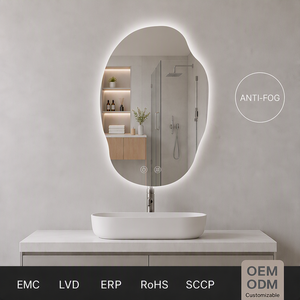
Backlit smart mirrors utilize a micro-thin PET heating pad adhered to the rear of the silver glass mirror. When turned on (often synchronized with the LED lighting or a touch sensor), the pad gently warms the glass surface slightly above room temperature, preventing steam condensation from forming.
Standard domestic production cycles typically range from 4 to 6 weeks following shop drawing and sample approval. Global volume manufacturing programs usually require 8 to 12 weeks, including international ocean transit and logistics staging.
Whether you require custom finish matching, technical photometric calculation, or contract-grade wall washer supply, our engineering team is standing by to support your spec.