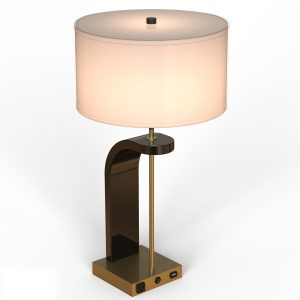
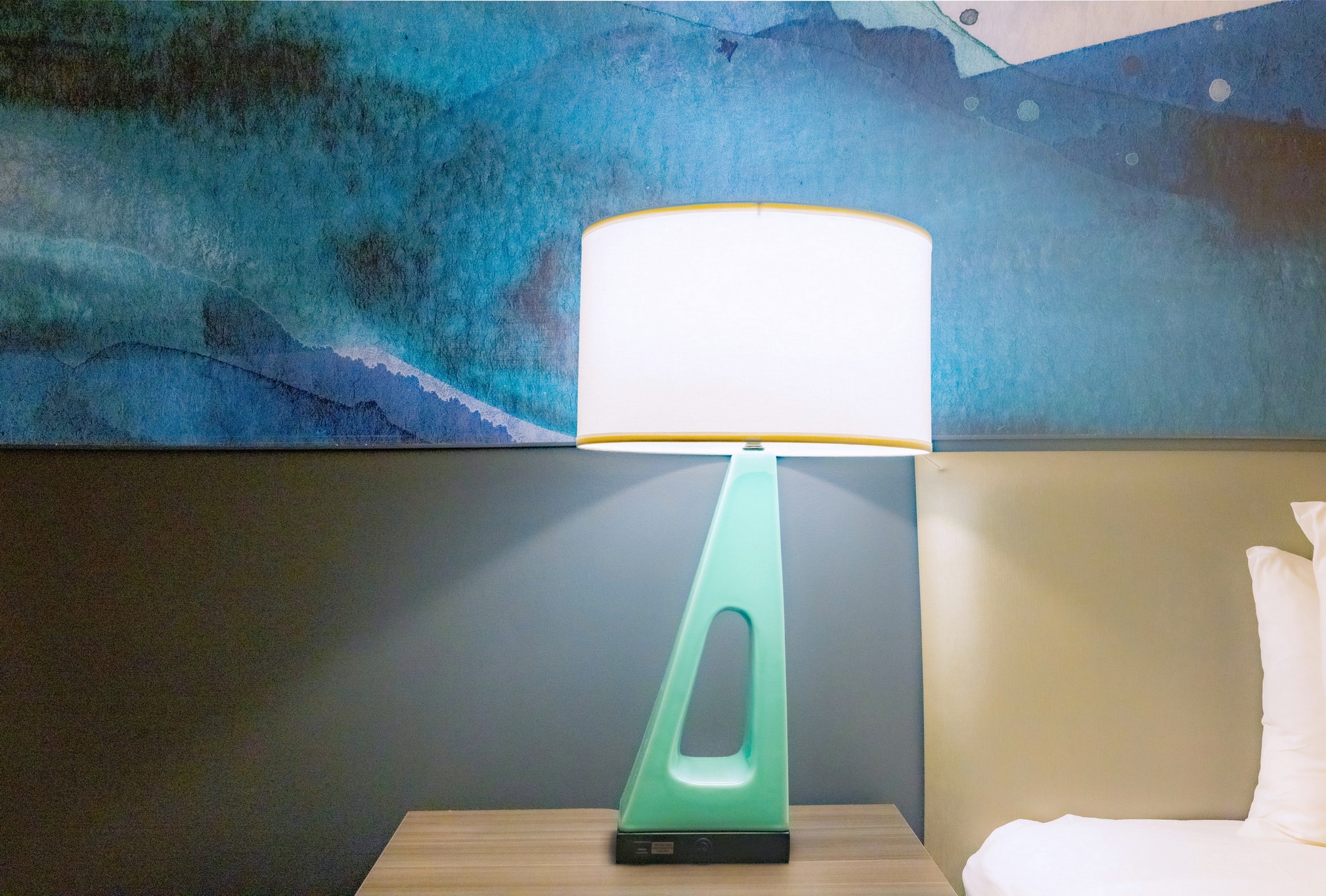
CT7027 · Healthcare Desk Lamp
Patient & Staff Desk · Custom Finishes

We Customize Everything— Proudly Since 1922
A comprehensive technical blueprint for healthcare facility developers, architects, and procurement agents seeking contract-grade, compliant, and custom-engineered illumination solutions manufactured in the USA since 1922.
Procuring luminaires for healthcare, senior living, and clinical care environments demands a rigorous shift from standard commercial lighting standards. Beyond mere illuminance, modern commercial healthcare lighting products actively govern patient circadian biological pathways, reduce healthcare-associated infections (HAIs), lower facility total cost of ownership (TCO), and satisfy uncompromising code compliance metrics including UL 1598, NFPA 101, ADA projection thresholds, and FGI Guidelines.
Modern healthcare procurement requires dynamic CCT tuning (2700K to 5000K) calibrated to the human circadian response curve. Our luminaires regulate circadian stimulus (CS > 0.35 during daytime) to shorten recovery times, alleviate sleep disturbance in patient rooms, and reduce delirium in intensive care and senior living facilities.
Healthcare environments mandate wipe-down durability under chemical disinfectants (bleach, quaternary ammonium, hydrogen peroxide). We engineer commercial healthcare lighting products with non-porous antimicrobial powder coatings, seamless continuously welded seams, and IP65 gasket seals to eliminate dust, moisture, and microbial harboring.
In diagnostic, nursing, and surgical assistance areas, temporal light artifacts (flicker) cause visual fatigue, headaches, and diagnostic inaccuracies. Mario Contract Lighting integrates low-THD drivers maintaining IEEE 1789-2015 flicker compliance across all 0-10V, DALI-2, and phase-dimming ranges.
Engineered specifically for patient rooms, senior living residential suites, assisted care corridors, and clinical reception areas. Each fixture family is built with heavy-gauge metals, tamper-resistant hardware, and low-maintenance optical engines.
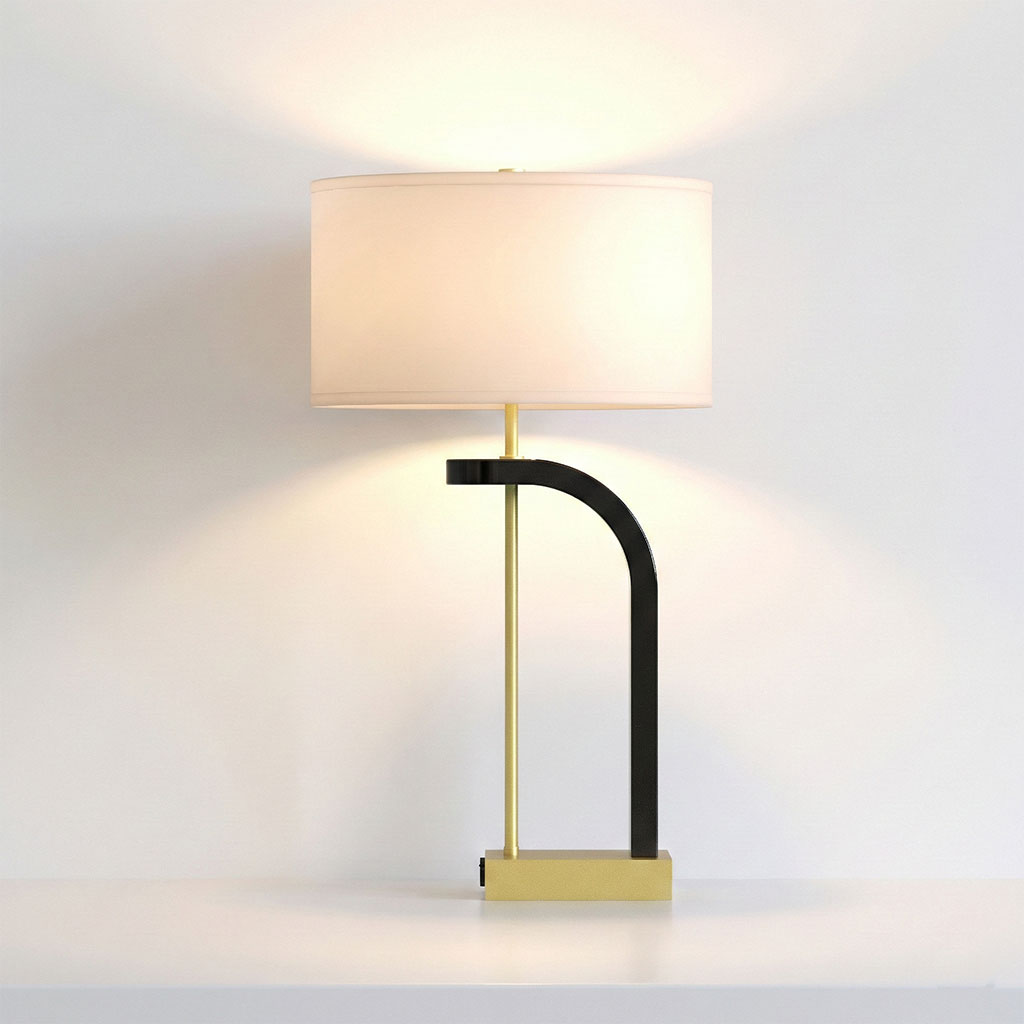
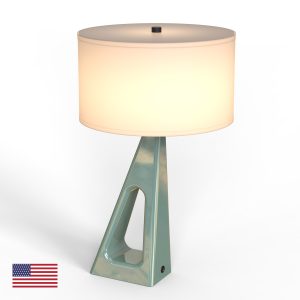
Heavy-weighted bases, integrated tamper-resistant USB/Type-C charging ports, antimicrobial finish coatings, and wipeable acrylic shades designed for nursing homes and patient rooms.
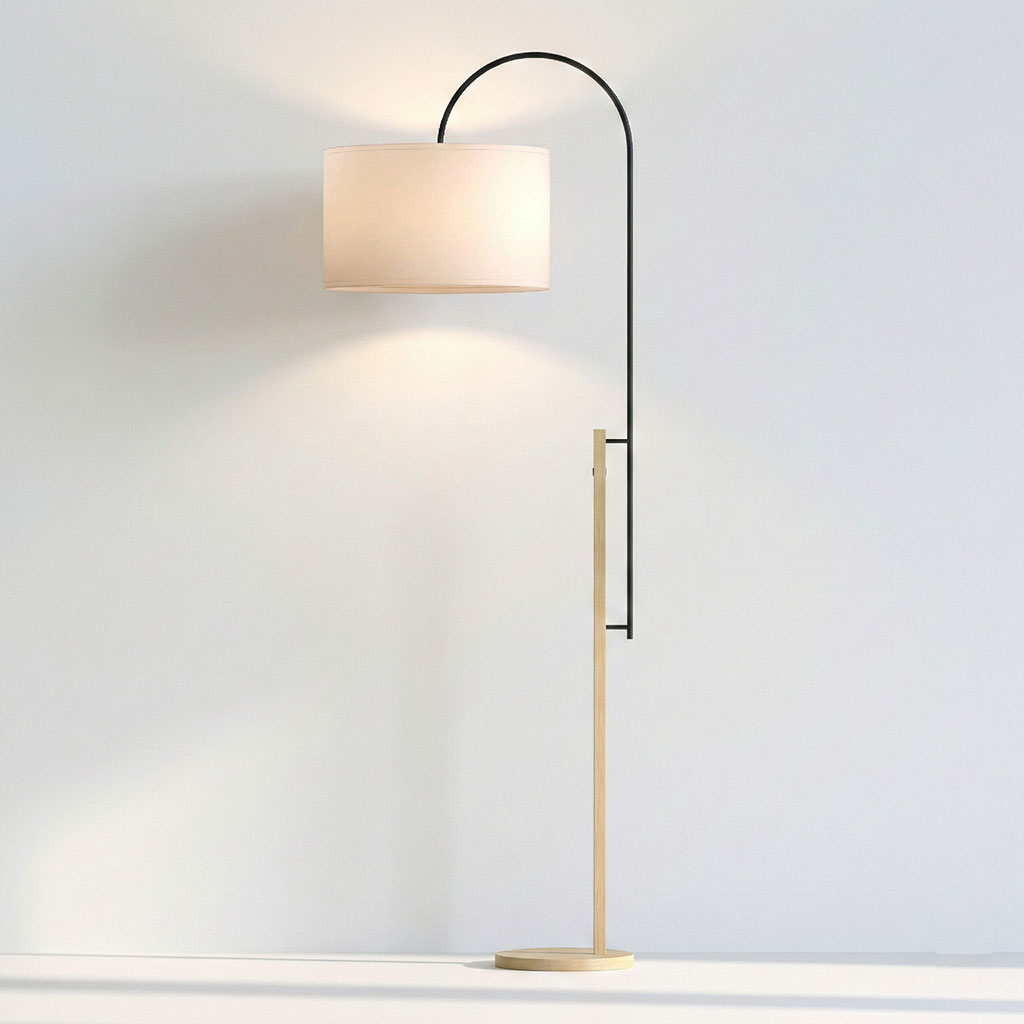
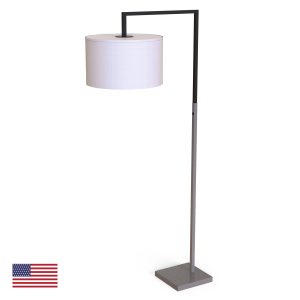
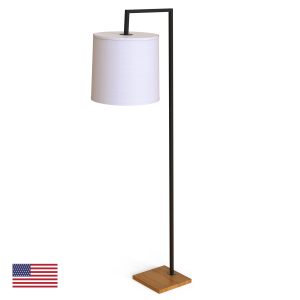
Contract-grade floor lamps with tip-resistant anti-topple bases, dual warm ambient & reading optical circuits, and flame-retardant wipeable lampshades for assisted living facilities.
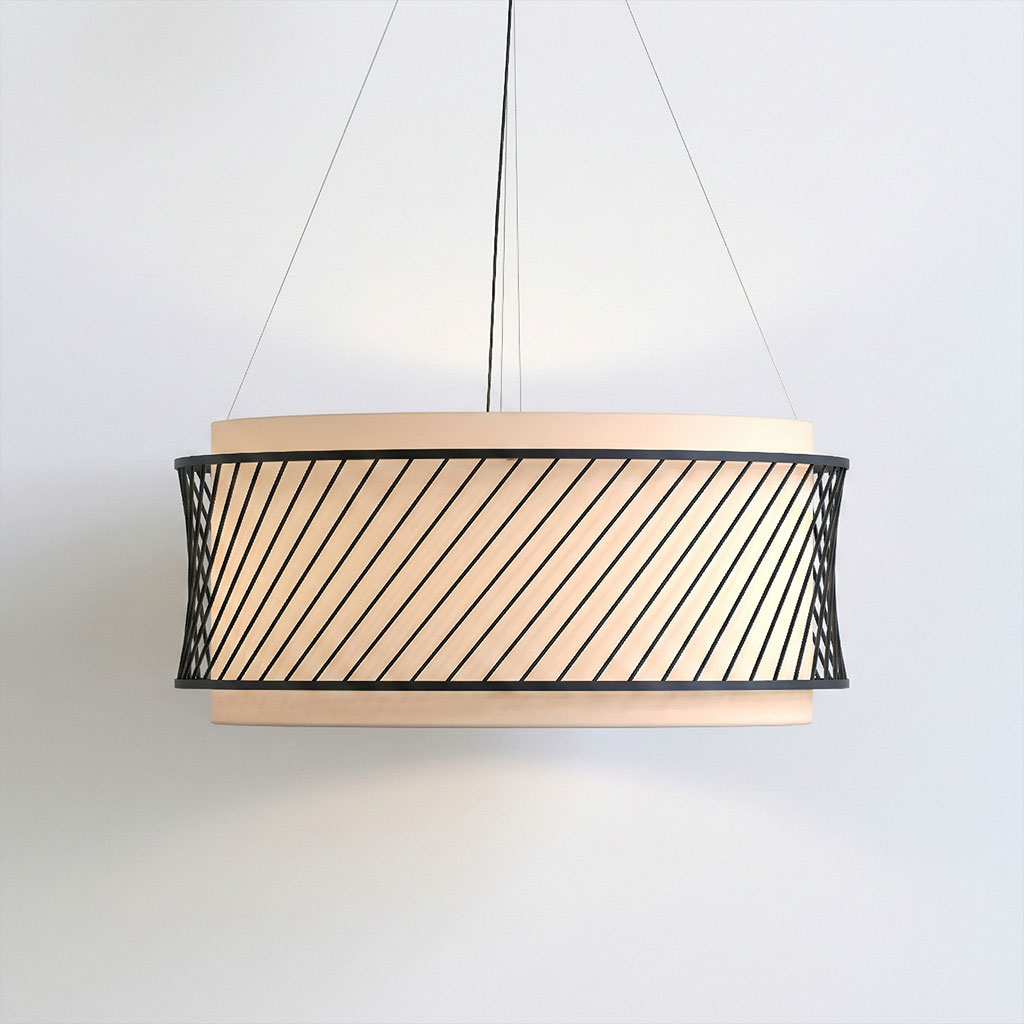
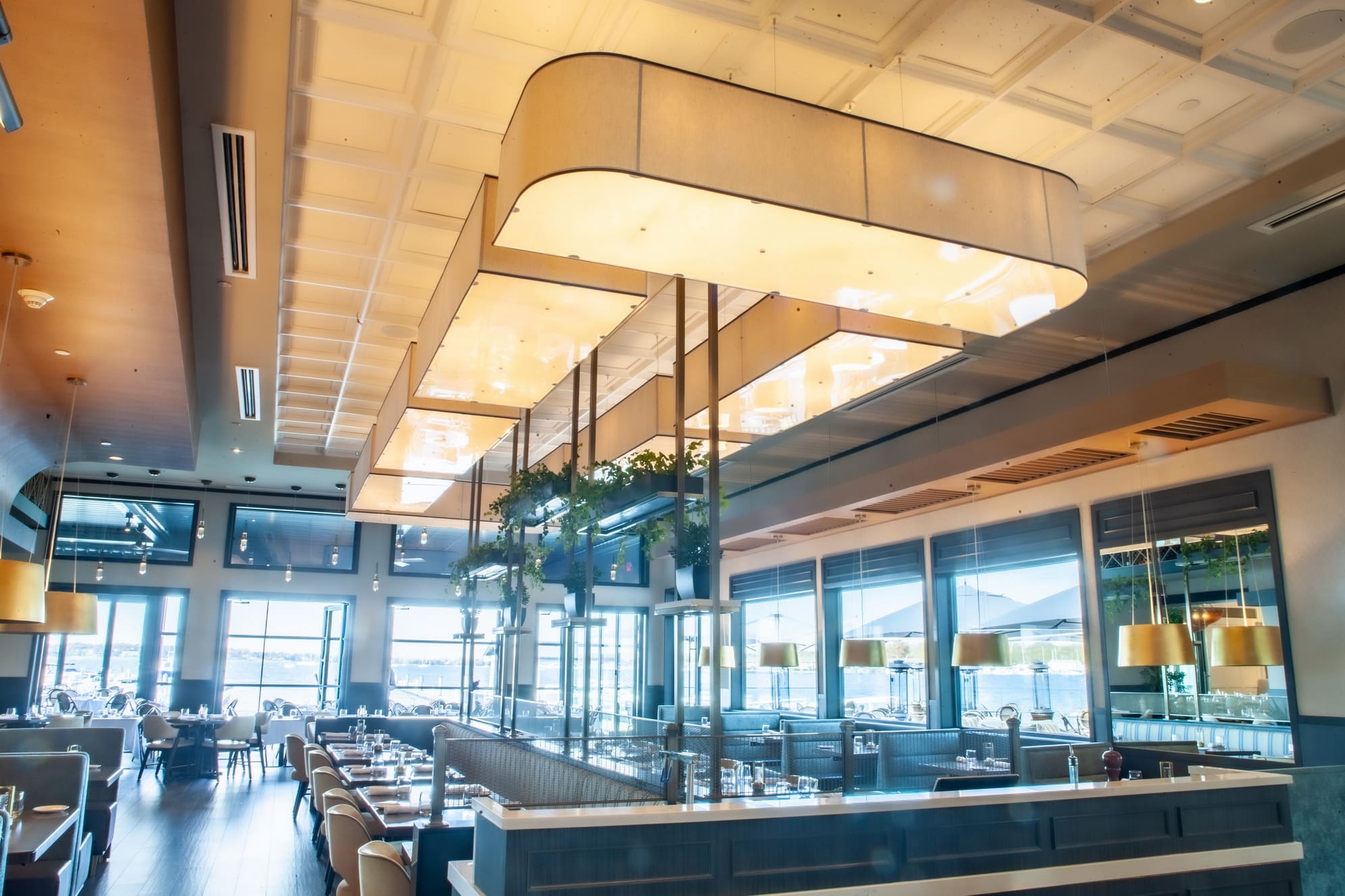
Sealed ceiling luminaires featuring glare-mitigating micro-prismatic diffusers, 90+ CRI high visual fidelity rendering, and optional emergency battery backup circuits for uninterrupted healthcare operations.
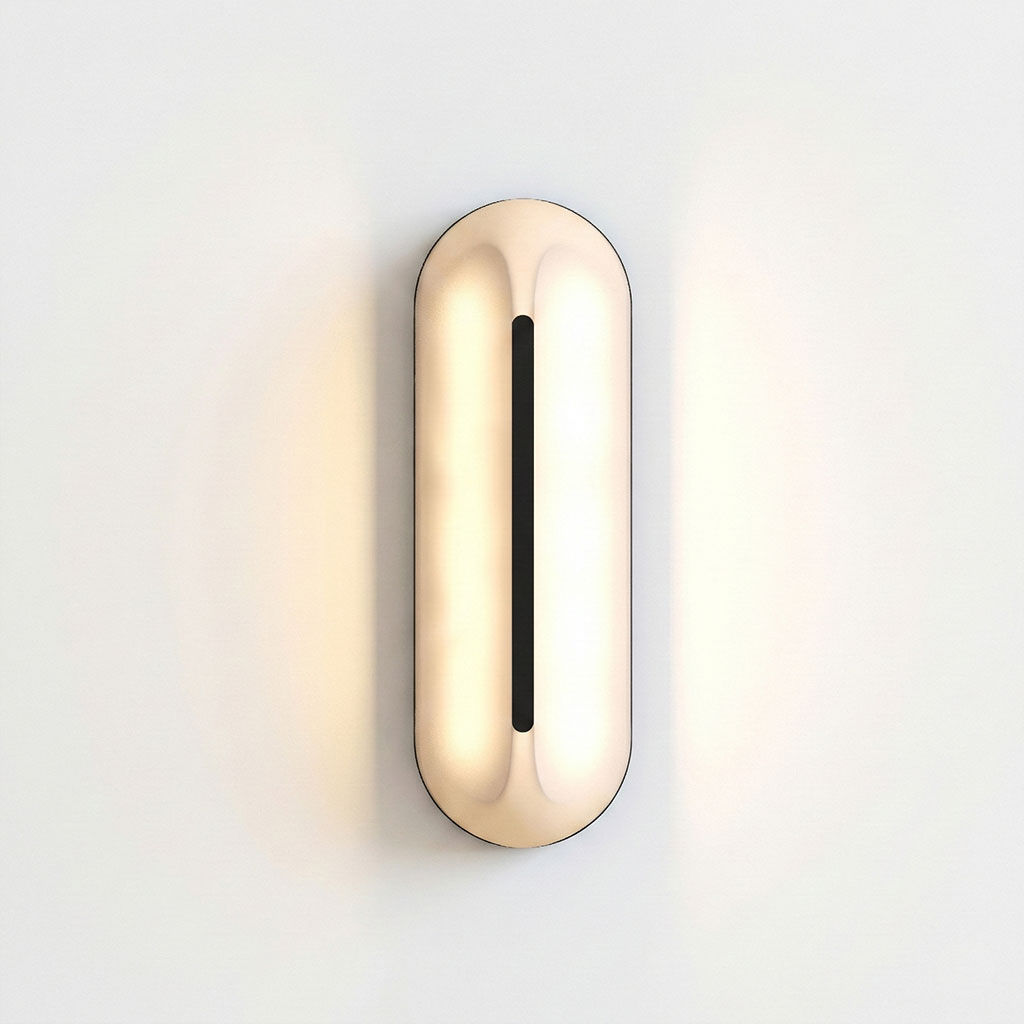
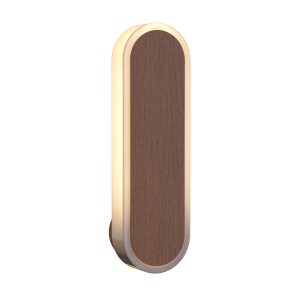
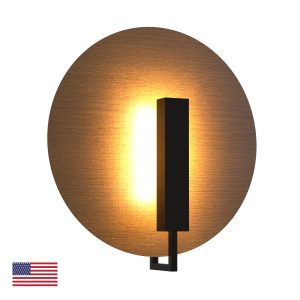
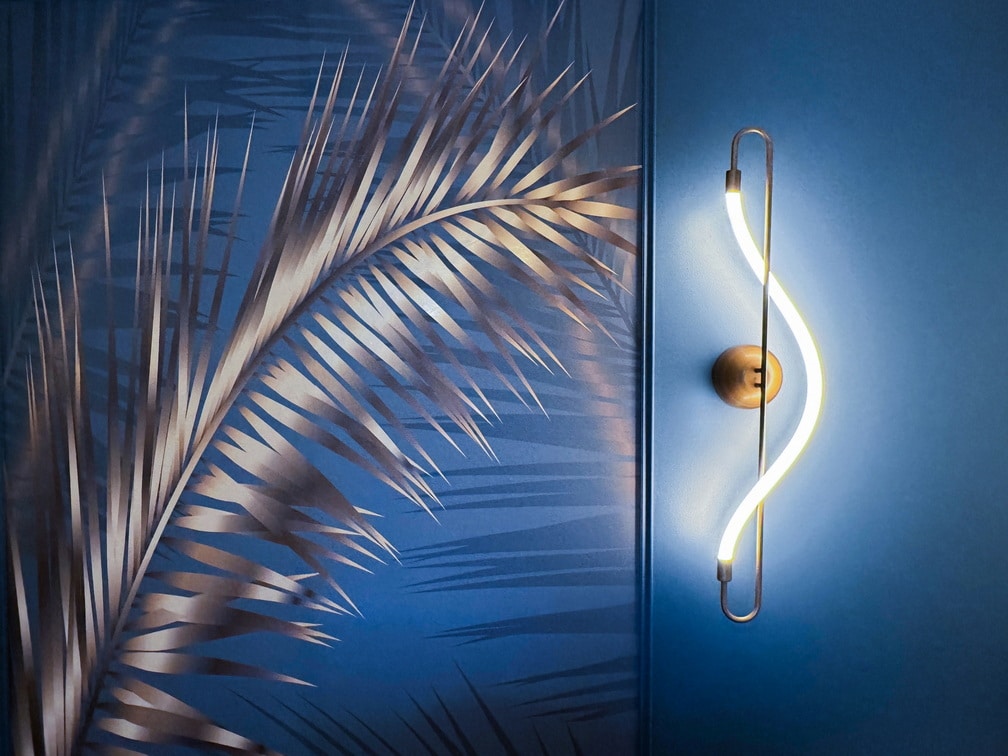
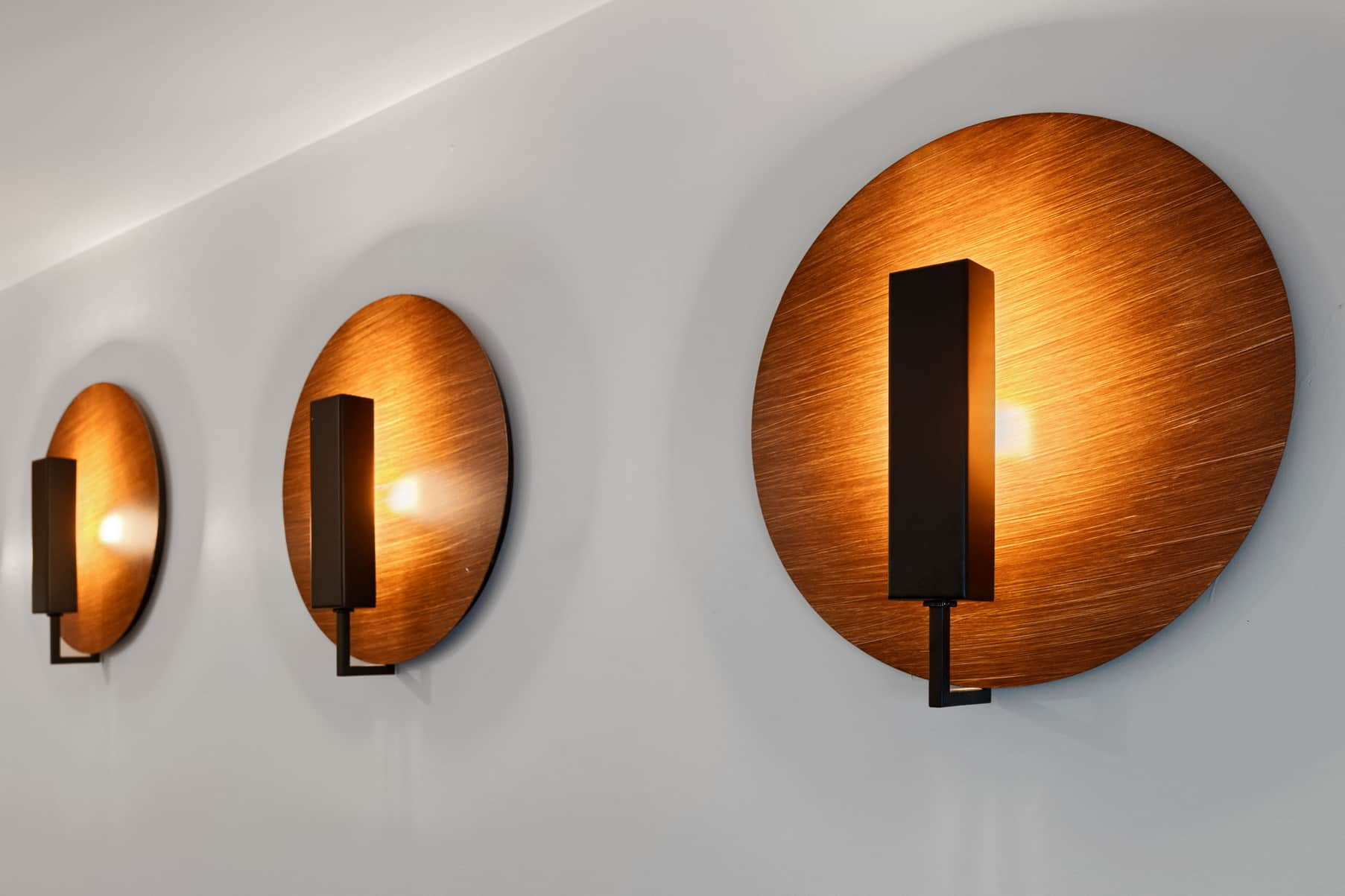
ADA-compliant wall sconces designed for low-profile clearance in hospital corridors and patient headboards. Available with anti-ligature sloped geometric bezels and dual-mode nightlight functions.
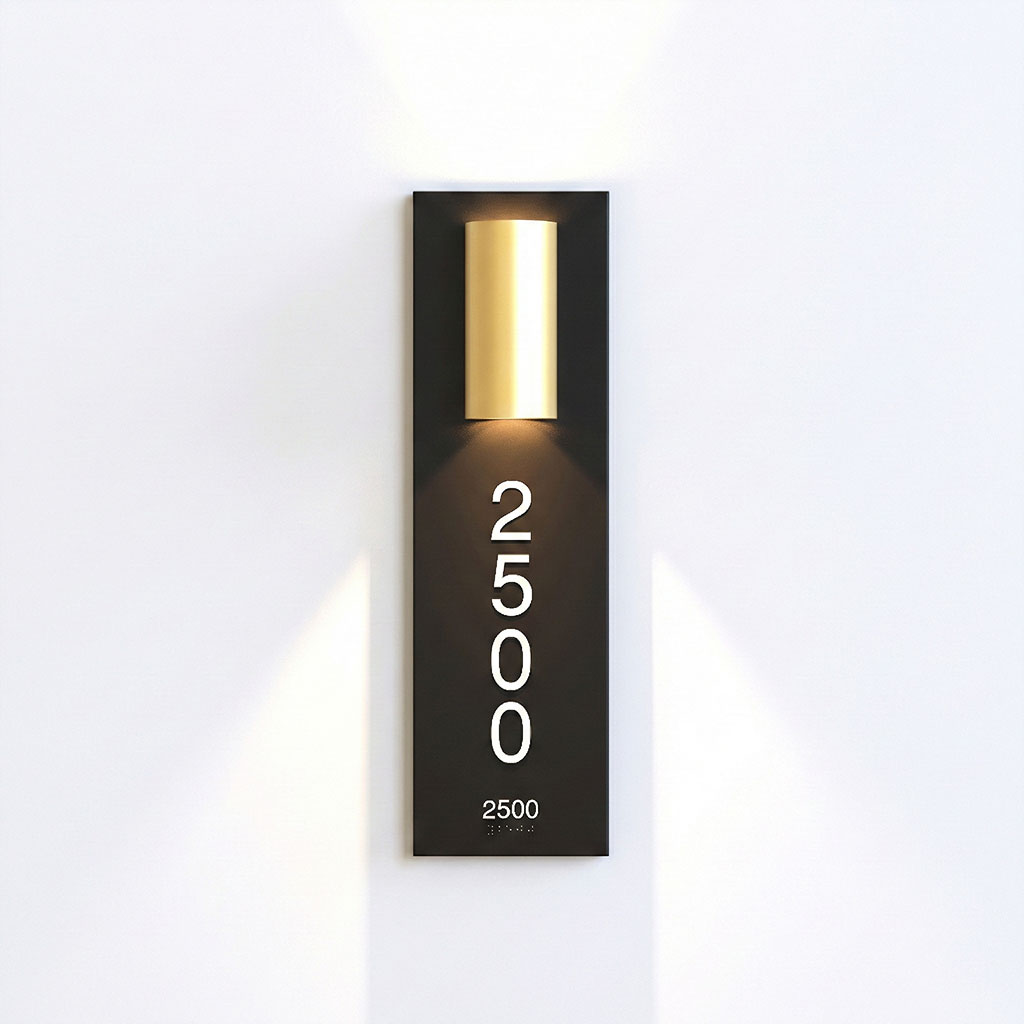
Precision-milled ADA-compliant wayfinding signage with tactile lettering, high-contrast raised Braille, and energy-efficient backlighting. Essential for emergency rooms, nurse stations, and complex hospital wing orientation.
These contract-grade models represent our most requested designs for senior living residences, rehabilitation hubs, patient suites, and medical office buildings (MOBs).
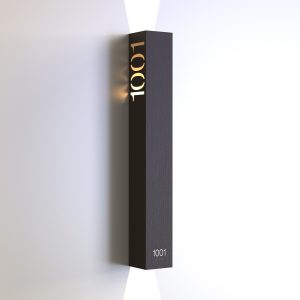
Global healthcare procurement directors and EPC contractors are evolving beyond first-cost purchasing strategies. The industry is rapidly adopting total life-cycle value models driven by smart connectivity, ESG compliance, modular maintainability, and human-centric design standards.
Healthcare specification mandates are shifting toward melanopic daylight equivalency. Future procurement demands standard integration of dual-channel color tuning (2700K to 5000K) controlled via automated spectral schedules. By syncing ambient spectrum with natural solar cycles, hospitals report measurable reductions in nurse turnover, decreased patient analgesic reliance, and improved sleep-wake stability in elderly residents.
Commercial healthcare lighting products are becoming the sensory backbone of smart facilities. By embedding Bluetooth Low Energy (BLE) micro-nodes and DALI-2 sensors directly into ceiling fixtures and room signs, healthcare networks track high-value medical assets, monitor room occupancy, and automate sanitization protocols without installing redundant ceiling hardware.
Supply chain disruptions have highlighted the risk of overseas sourcing for critical hospital expansions. Procurement teams increasingly favor domestic manufacturers like Mario Contract Lighting that offer verified Environmental Product Declarations (EPDs), local raw material sourcing, zero-landfill metal fabrication, and reduced shipping carbon footprints.
Facility managers cannot tolerate lengthy maintenance turnarounds in operational patient rooms. Procurement standards now mandate quick-disconnect wire harnesses, tool-less driver tray access, and standardized LED board replacement, ensuring that maintenance teams can service fixtures in minutes without breaking dust containment seals.
Technological advancements in solid-state lighting, material science, and optical engineering are fundamentally altering how commercial healthcare lighting products are designed, manufactured, and specified globally.
Next-generation healthcare luminaires utilize ionic silver powder coatings and photocatalytic titanium dioxide surface treatments. These advanced materials continuously deactivate 99.9% of bacterial and fungal surface pathogens between standard terminal cleaning cycles, significantly mitigating Hospital-Acquired Infections (HAIs).
Reclining patients spend extended hours facing ceiling luminaires directly. Modern healthcare lighting design prioritizes micro-prismatic optical lenses, indirect bounce refractor housings, and deep-recessed LED engines that achieve a Unified Glare Rating (UGR) under 19, preventing visual discomfort and optical strain for supine patients.
Psychiatric evaluation rooms and behavioral healthcare units require tamper-resistant, ligature-resistant fixture geometries. Innovations include sloped flush-mounting bezels, shatterproof polycarbonate diffusers, non-removable Torx security screws, and high-impact IK10 ratings that ensure absolute occupant safety without sacrificing warm visual aesthetics.
Since 1922, Mario Contract Lighting has stood as a benchmark of American manufacturing capability, contract-grade quality, and custom engineering excellence. Our 100,000-square-foot vertically integrated facility in Roanoke, Virginia delivers unmatched control over every phase of production.
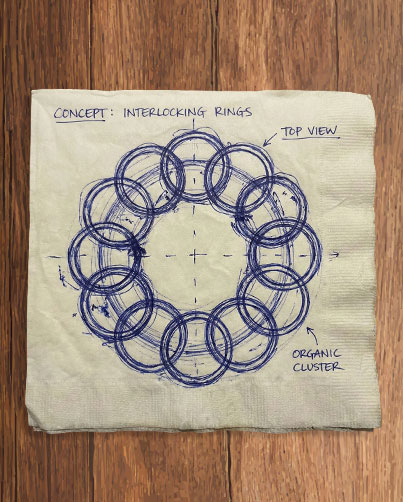
From custom anti-ligature sconces to multi-channel circadian room luminaires, our engineering department translates complex architectural design intent into UL-certified, manufacturing-ready submittals. Every finish, dimension, socket layout, and mounting mechanism is fully customizable.
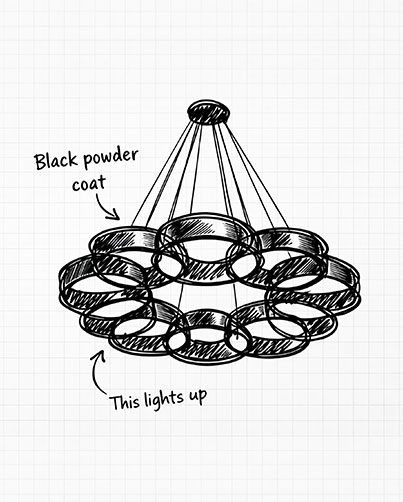
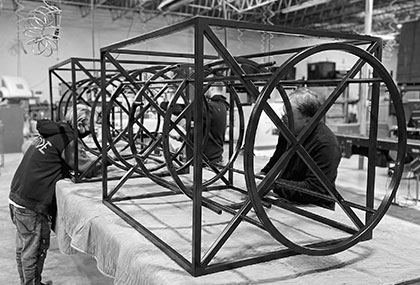
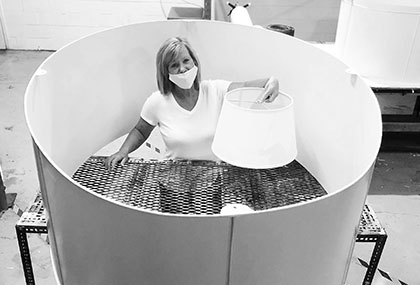
Operating out of Roanoke, Virginia, our facility houses metal spinning, precision laser cutting, powder coating, shade fabrication, wiring, and photometric testing under one roof. Domestic production minimizes lead times, ensures pristine quality control, and simplifies replacement parts logistics for decades.
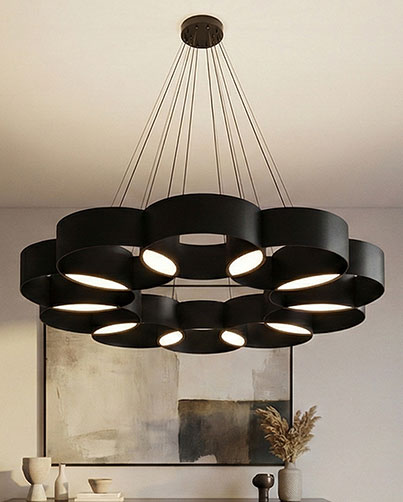
Every commercial healthcare fixture is engineered to satisfy UL 1598, UL 8750, ADA wall projection limits (< 4 inches), and damp/wet location ratings. We partner with procurement agencies and healthcare system directors to guarantee smooth inspection sign-offs and long-term operating peace of mind.
Our custom and contract lighting products perform flawlessly across acute care centers, senior living facilities, luxury medical retreats, and public facilities nationwide.
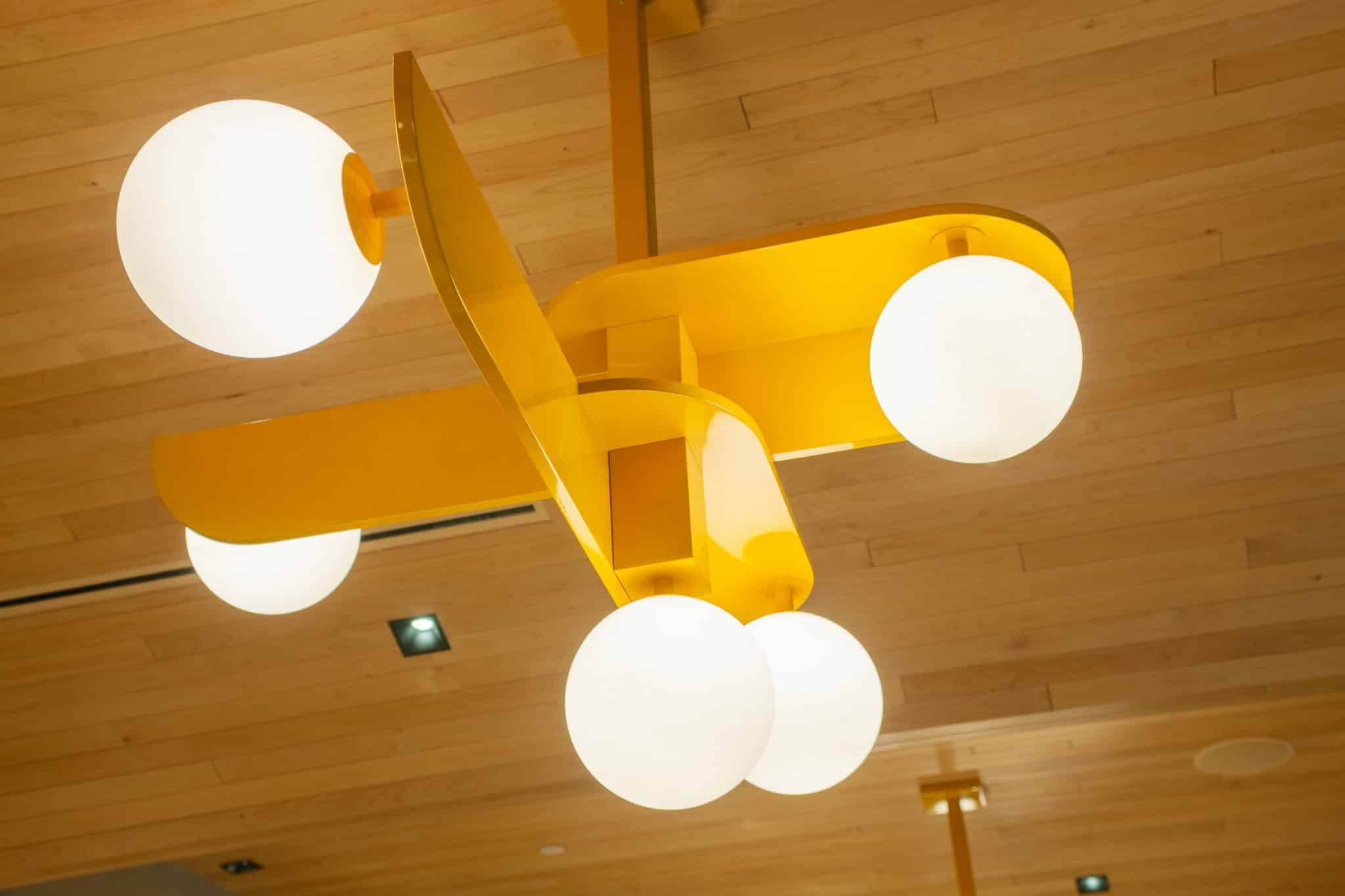
Direct technical answers addressing regulatory compliance, material selections, lead times, minimum order quantities, and custom healthcare fixture modifications.
Commercial healthcare lighting products must satisfy strict electrical, physical, and visual safety standards. Mandatory certifications include UL 1598 (Luminaires) and UL 8750 (LED Equipment for Use in Lighting Products). In corridors and egress routes, wall desconces must comply with the Americans with Disabilities Act (ADA) projection limit of no more than 4 inches from the wall when mounted between 27 inches and 80 inches above the finished floor. Wet and damp location IP ratings (IP65 for washdown zones) are required in surgical suites and patient bath areas. Furthermore, behavioral health units require anti-ligature compliance with tamper-proof IK10 impact ratings.
Circadian rhythm lighting dynamically shifts color temperature (CCT) and intensity throughout the day to mirror daylight. In daytime hours, high melanopic blue-enriched light (4000K-5000K) suppresses melatonin production, promoting daytime alertness in both patients and night-shift medical staff. In the late afternoon and evening, light transitions to warm, low-melanopic spectrums (2200K-2700K), stimulating natural sleep cycles. Clinical studies show that circadian-aligned commercial healthcare lighting products shorten patient hospital stays, reduce night-time agitation in dementia care, and significantly lower medication error rates among clinical personnel.
Yes. Customization is our core expertise ("We Customize Everything — Proudly Since 1922"). We work directly with healthcare interior designers, architects, and purchasing firms to modify existing catalog models or fabricate completely bespoke healthcare lighting fixtures. Custom options include antimicrobial powder coat paint matching, customized stem lengths, shade fabric substitutions with wipeable vinyls, custom mounting plates, dual-circuit wiring for emergency backup power, and integrated nightlights or low-voltage nurse call switching.
High-infection healthcare zones demand non-porous, chemical-resistant materials that withstand harsh hospital-grade disinfectants. We utilize marine-grade aluminum, heavy-gauge stainless steel, high-impact polycarbonate diffusers, and specialized silver-ion antimicrobial coatings. Fabric lampshades in patient spaces are replaced with smooth, non-porous rigid shade materials or washable acrylics that eliminate dust harborage and allow continuous chemical wipe-downs without surface degradation.
Standard commercial lighting fixtures feature exposed seams, protruding edges, standard screws, and glass diffusers. Anti-ligature healthcare lighting products are specially engineered for behavioral health facilities, psychiatric wards, and high-risk patient rooms to eliminate potential points of attachment. Anti-ligature features include smooth sloped geometric housings that prevent cords or objects from anchoring, shatterproof polycarbonate lenses, continuous silicone gasketing, recessed mounting, and non-removable tamper-resistant Torx hardware.
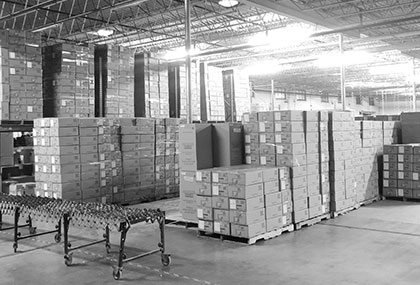
We streamline procurement by operating a 100,000-square-foot facility in Roanoke, Virginia. Domestic U.S. manufacturing provides drastically shortened, reliable lead times compared to overseas imports. We support low minimum order quantities (MOQs) tailored for phased mock-up rooms, hospital wing additions, and large-scale healthcare rollouts. Our engineering department provides complete, detailed CAD submittal packages, wiring diagrams, and photometrics (IES files) to ensure rapid project approvals.
Absolute compliance is built into our electronics architecture. Our healthcare luminaires accommodate standard 0-10V continuous dimming, DALI-2 digital addressable protocols, Lutron Ecosystem, and wireless Mesh networks (such as Bluetooth Low Energy or Zigbee). This enables hospital facility engineers to integrate lighting circuits into overarching Building Management Systems (BMS) for energy monitoring, daylight harvesting, automated schedule tuning, and central emergency testing.