As hospitality brands commit to net-zero carbon goals, improved indoor air quality (IAQ), and smart hotel room automation, ceiling fan specifications are undergoing a rapid technological evolution.
1. Smart Building Management System (BMS) & Energy Interlocks
The modern hotel guest room is no longer an isolated electrical environment. Future-proof hospitality ceiling fans are increasingly specified with native 0-10V control inputs, RS485 communication ports, and BACnet/Zigbee protocol bridges. This integration allows room keycard systems or occupancy sensors to automatically engage ceiling fans on low speed upon guest entry, creating an instant cooling breeze while allowing the HVAC compressor to operate at reduced load. When rooms are un-occupied, fans automatically enter eco-preservation mode to prevent thermal stratification.
2. Acoustic Decoupling & Sub-Perceptible Noise Vibration
Hotel guest satisfaction ratings on OTAs (TripAdvisor, Google, Booking.com) are heavily sensitive to sleep disruption caused by mechanical room noise. The industry threshold has tightened from 35 dBA down to sub-26 dBA for premium luxury brands (Ritz-Carlton, Four Seasons, Hyatt Regency). Achieving this requires precision-machined motor rotors, custom silicon isolation dampeners between the canopy mounting plate and junction box, and digitally synthesized sine-wave motor commutation algorithms.
3. Micro-Zonal Thermal Comfort & ASHRAE Standard 55 Compliance
Rather than relying solely on high-tonnage HVAC air conditioning to pull room temperatures down to 68°F (20°C), thermal comfort modeling proves that gentle elevated air speeds (around 50 to 150 feet per minute) provide equivalent cooling comfort at 74°F (23°C). Incorporating contract ceiling fans into room renovation PIPs allows hotel operators to achieve up to a 20% reduction in annual guest-room energy consumption while earning LEED v4.1 operational points.
4. Finish Harmonization Across Fixture Ecosystems
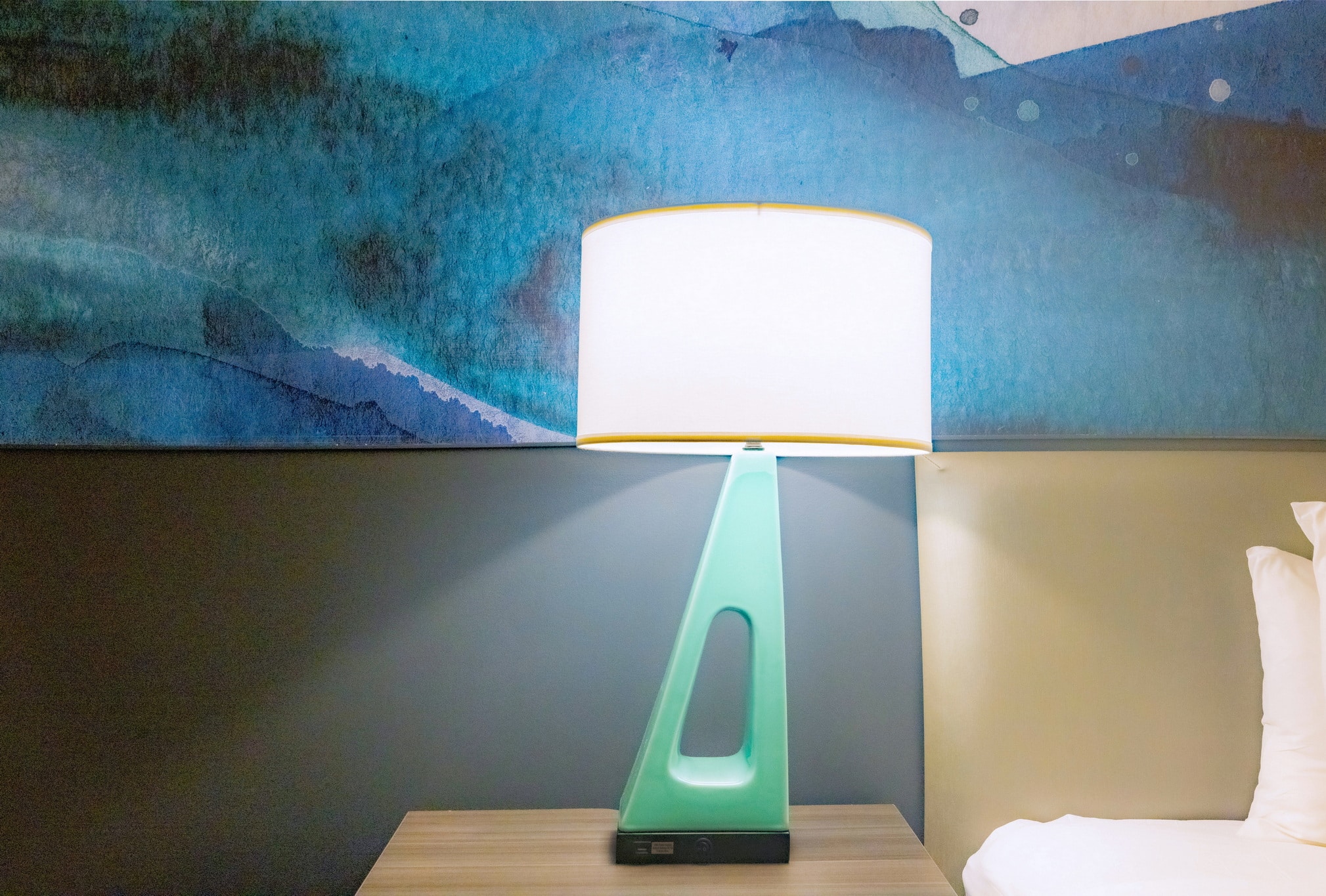
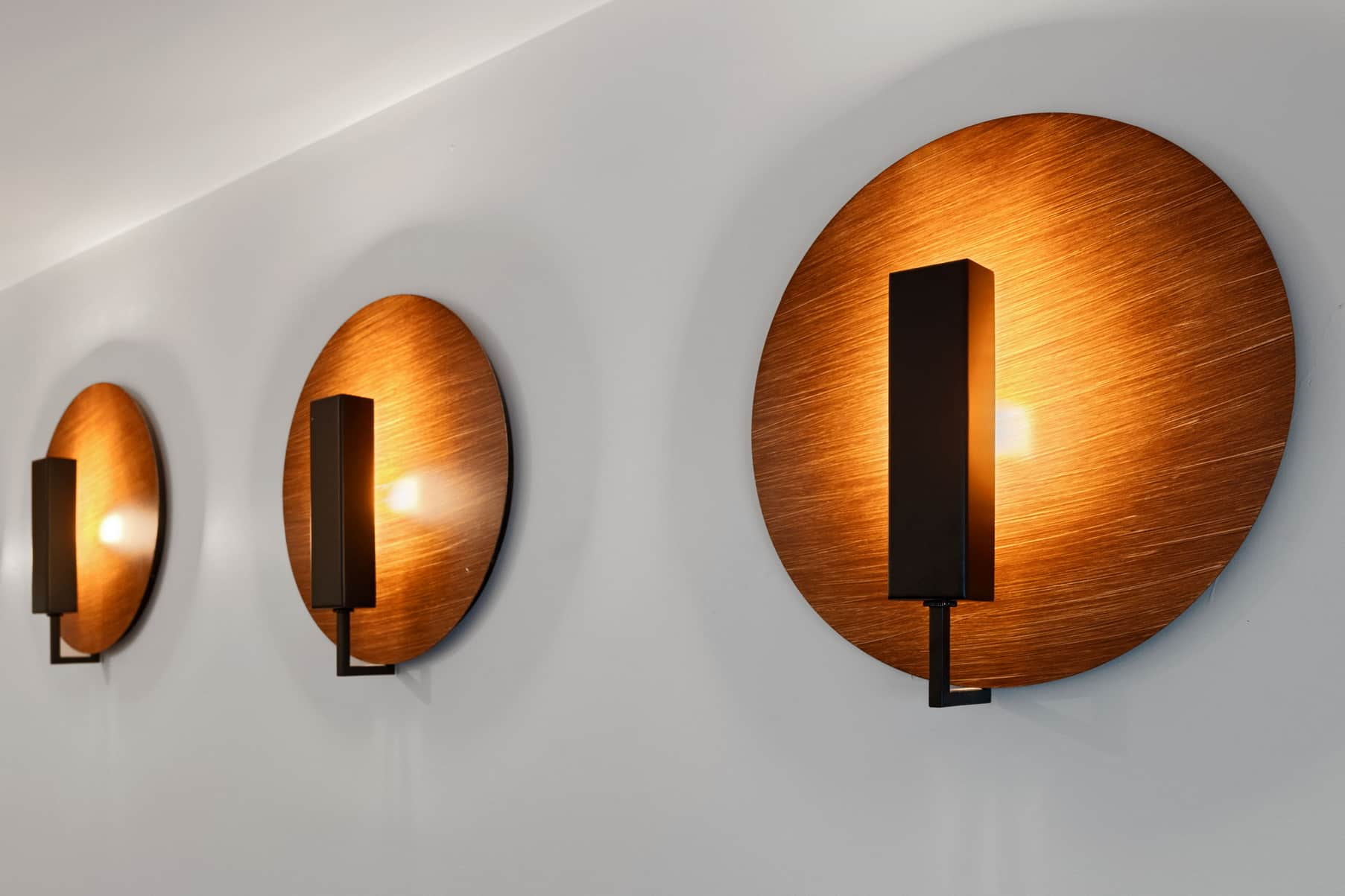
A major design friction point for hospitality purchasing agents has been the finish mismatch between ceiling fans sourced from residential retail catalog suppliers and custom lighting packages produced by contract manufacturers. Future procurement policies favor single-source manufacturing partners who can plate, anodize, or powder-coat ceiling fan motor housings, downrods, and hardware using the exact master color chips as the room’s headboard sconces, desk lamps, and vanity lighting.